Ruaha National Park
Tanzania's largest national park at 20,226 sq km offering wild, remote safari experiences. Famous for massive elephant herds, thriving African wild dog population, 570+ bird species, and the mighty Great Ruaha River. A true wilderness adventure.
About Ruaha National Park
Ruaha National Park, located in the heart of southern Tanzania, is a hidden wilderness waiting to be explored. Often overshadowed by more famous northern parks, Ruaha offers a unique and uncrowded safari experience that's perfect for those seeking authentic African adventure in pristine wilderness.
Established in 1964, Ruaha has a rich conservation history dating back to 1910 when it was declared Saba Game Reserve during German East Africa. The British changed the name to Rungwa Game Reserve in 1946, before elevating it to full national park status in 1964. A significant expansion occurred in 2008 when the Usangu Game Reserve and important wetlands were incorporated, increasing the park's size to an impressive 20,226 square kilometers - making it Tanzania's largest national park.
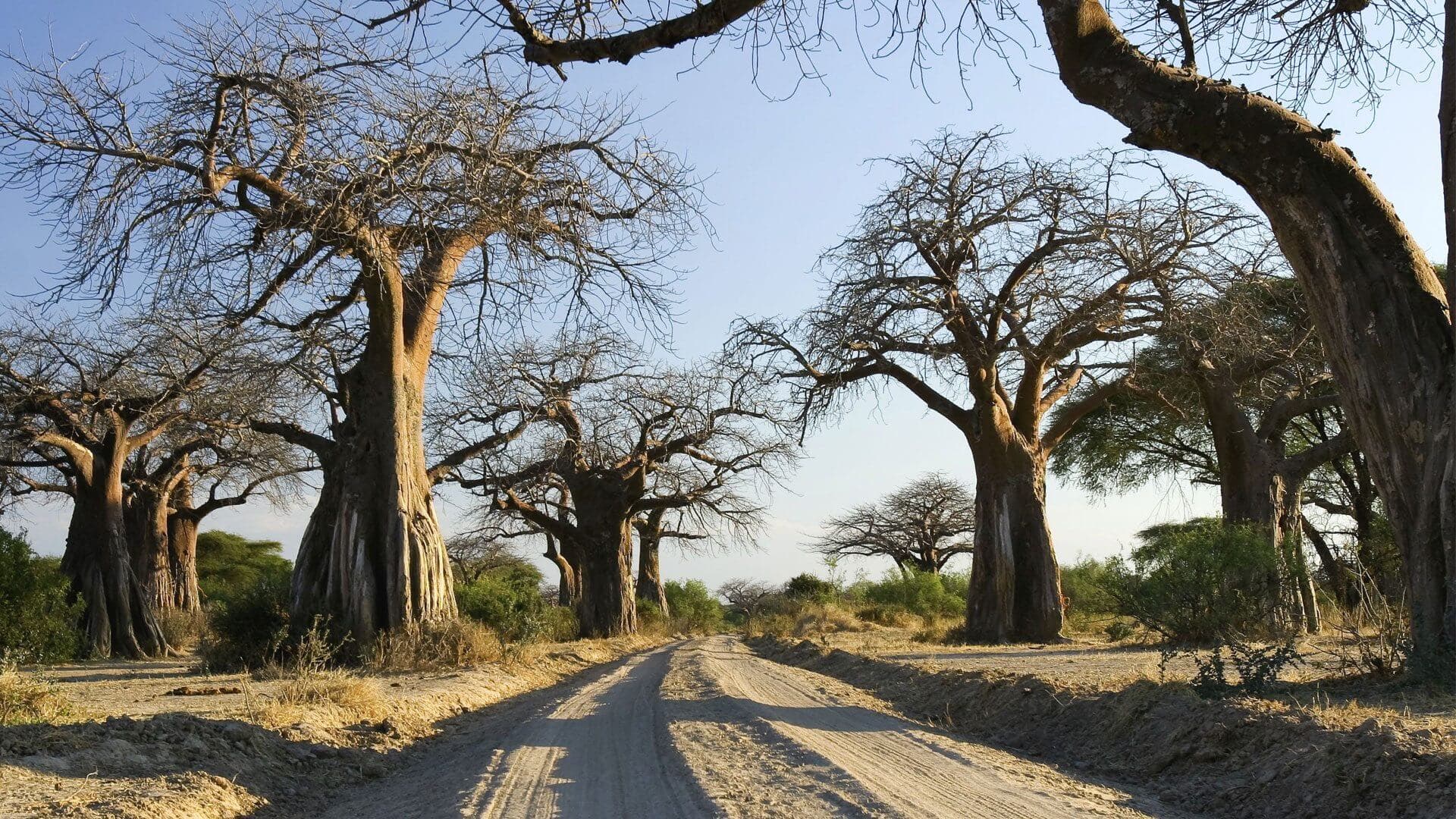
The park is named after the Great Ruaha River, which flows along its eastern border and serves as the lifeblood of the ecosystem. The landscape is remarkably diverse, featuring vast open plains, rugged baobab-studded hills, acacia woodlands, and riverine forests. Part of the larger Rungwa-Kizigo-Muhesi ecosystem, Ruaha provides vital habitat for exceptional wildlife populations. The park is particularly renowned for its large elephant herds and represents one of the last true strongholds for the endangered African wild dog. With over 570 bird species, Ruaha is also a premier destination for bird enthusiasts seeking both resident and migratory species.
Highlights
Tanzania's largest national park - 20,226 sq km of wilderness
One of Africa's last strongholds for African wild dogs
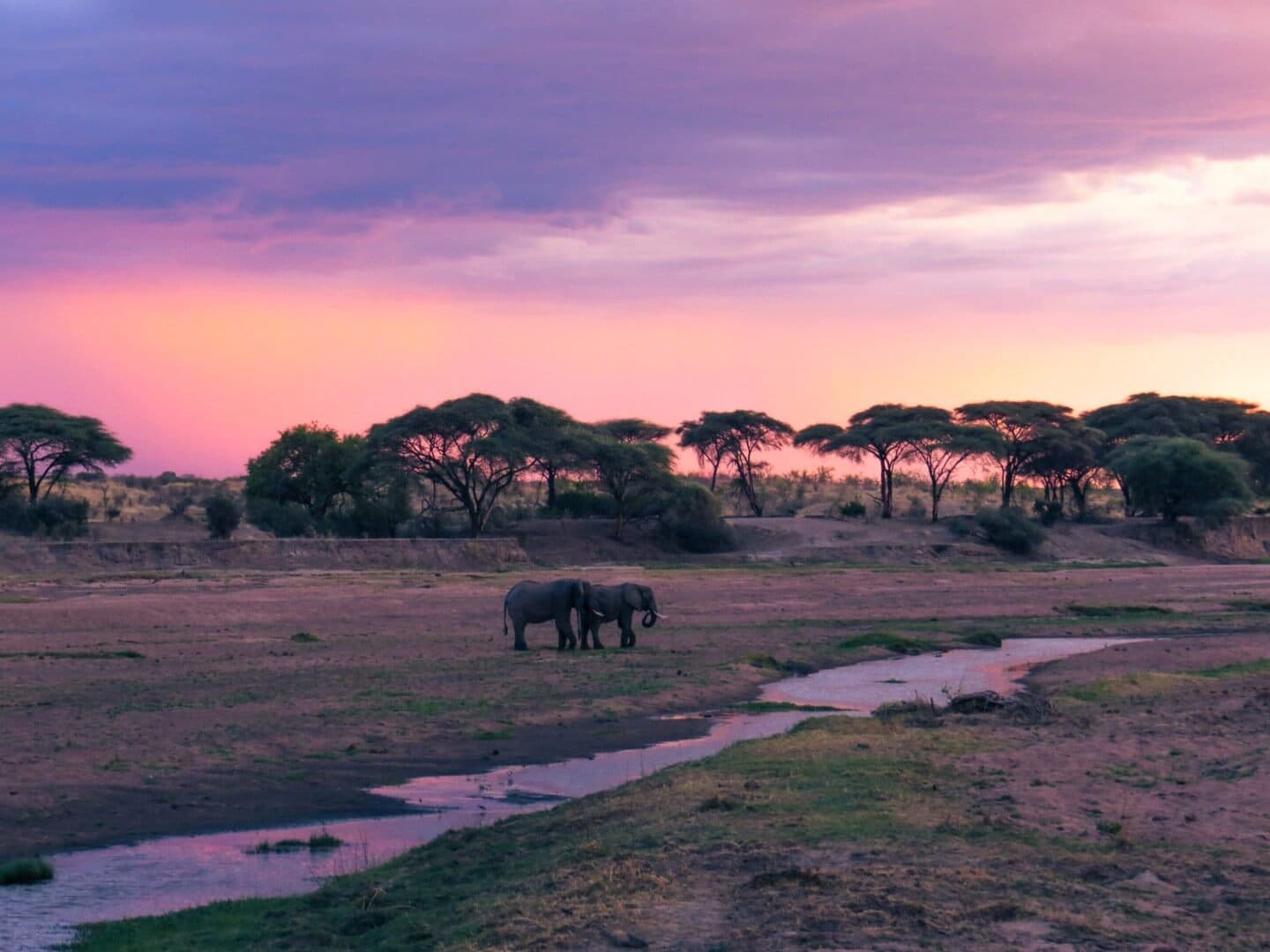
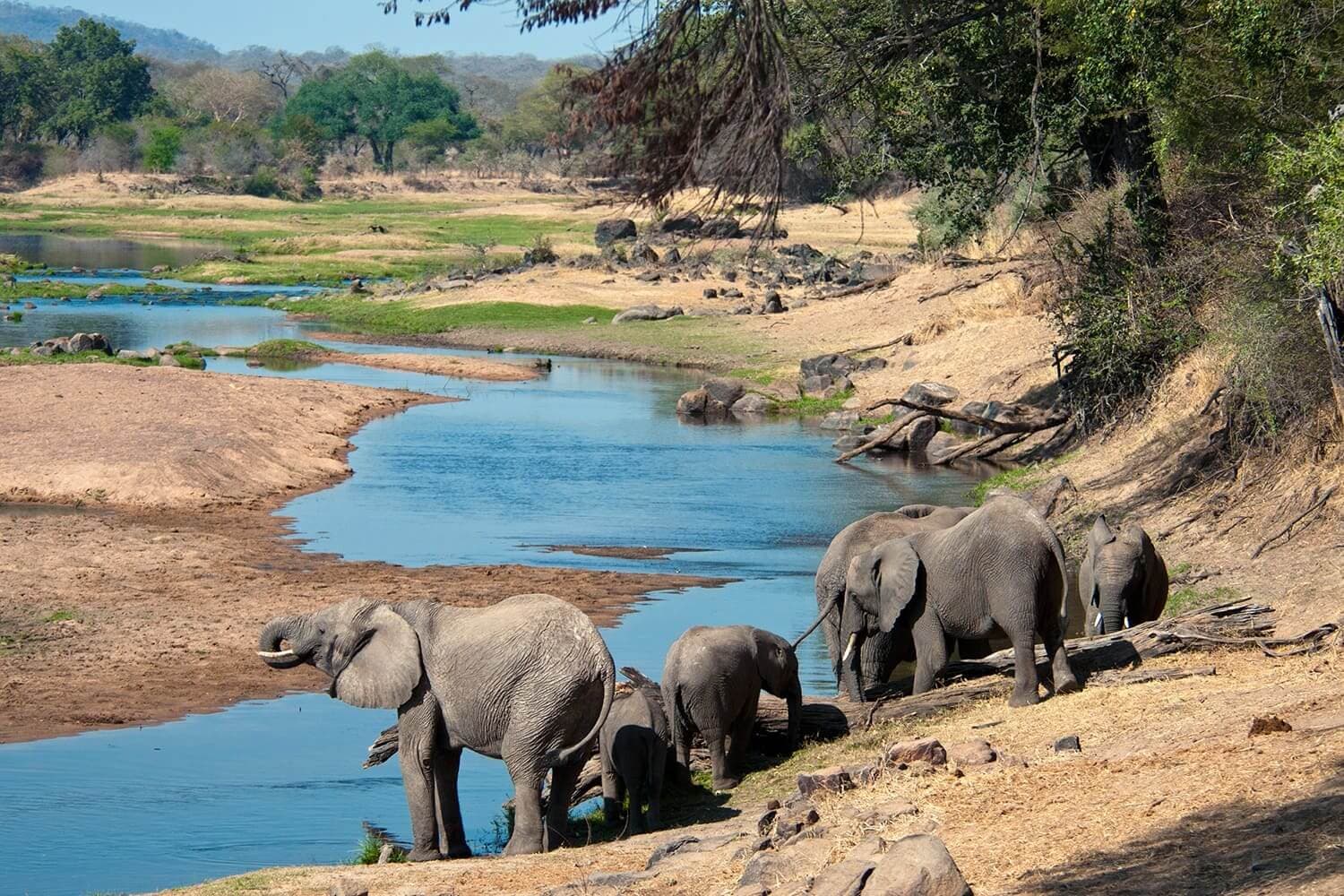
Massive elephant herds - some of Tanzania's largest populations
Great Ruaha River - Lifeline attracting abundant wildlife
570+ bird species including endemics and migratory species
Remote, uncrowded safari experience
Ancient baobab trees dominating the landscape
Rugged, pristine wilderness scenery
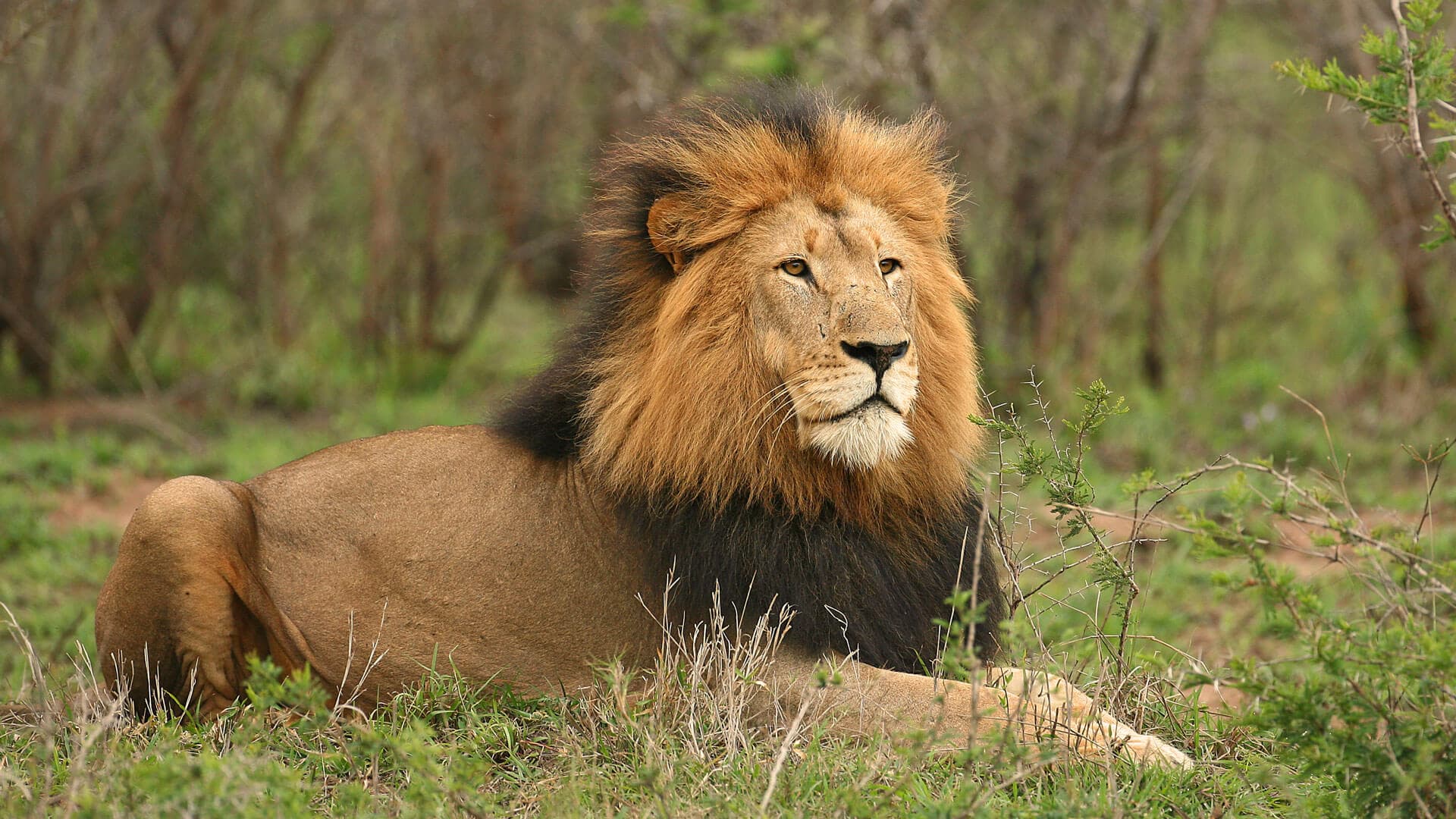
Exceptional predator viewing (lions, leopards, cheetahs)
Part of vast Rungwa-Kizigo-Muhesi ecosystem
Wildlife
Activities
Game Drives - Morning, afternoon, and full-day wilderness safaris
Walking Safaris - Guided bush walks with armed rangers
Boat Safaris - Great Ruaha River wildlife viewing (seasonal)
Bird Watching - 570+ species including rare endemics
Photography - Ancient baobabs, dramatic landscapes, wildlife
African Wild Dog Tracking - Observing endangered predators
Night Game Drives - Nocturnal wildlife at select camps
Fly Camping - Mobile camps in remote wilderness areas
River Wildlife Viewing - Elephants, hippos, crocodiles
Sundowner Experiences - Sunset cocktails in the bush
Best Time to Visit
The best time to visit Ruaha National Park is during the dry season from June to October, when wildlife congregates around the Great Ruaha River and other permanent water sources, making game viewing exceptional. June to August offers the coolest and most comfortable temperatures for safaris. During this period, the river becomes a wildlife magnet with elephants, buffaloes, predators, and various antelope species gathering at waterholes. The park is open year-round, and the green season (November-May) provides lush landscapes, excellent bird watching with migratory species, and dramatically fewer visitors, though some areas may be less accessible.
More Destinations in Southern Circuit
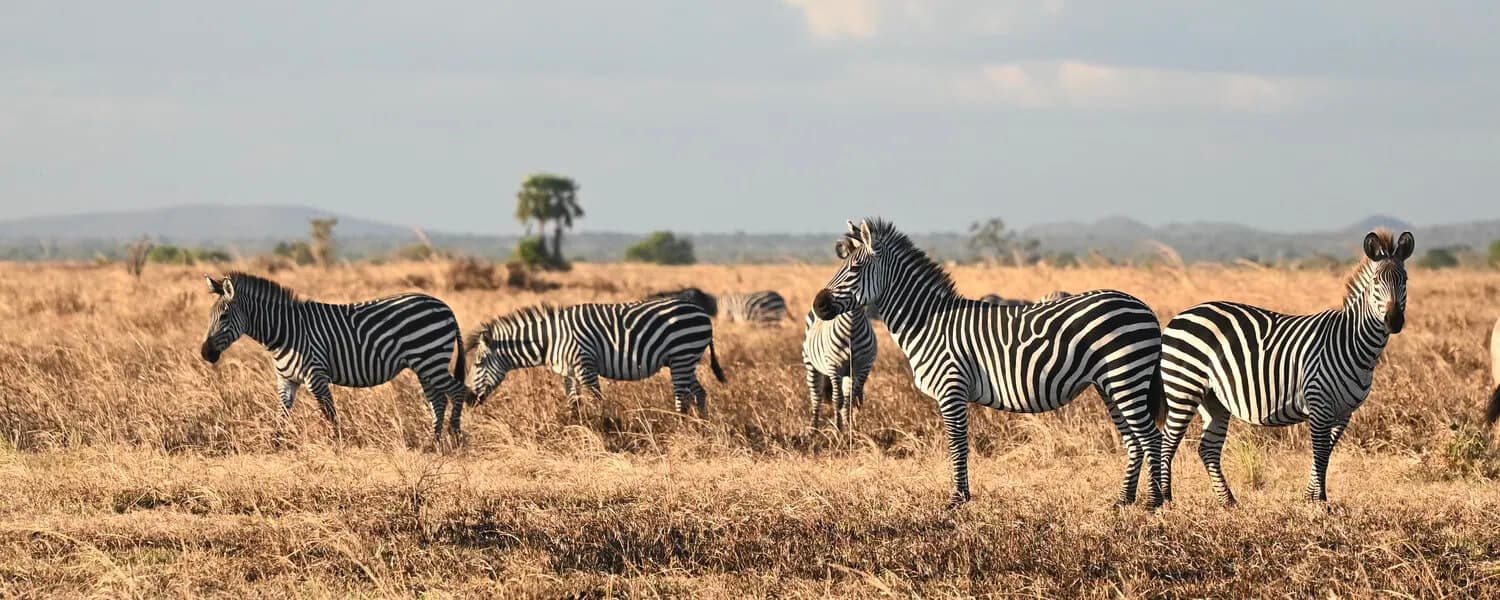
Mikumi National Park
Tanzania's 4th largest park and hidden gem, offering authentic safari experiences without crowds. Located just 4-5 hours from Dar es Salaam with abundant wildlife, 400+ bird species, and stunning Uluguru Mountain backdrop. Part of the vast Selous ecosystem.
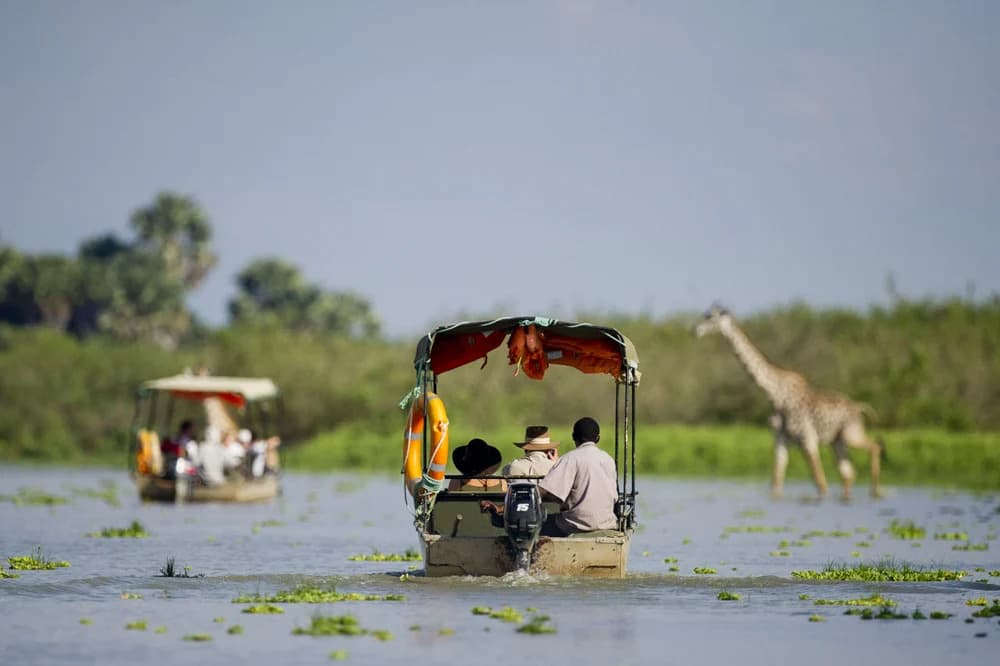
Nyerere National Park
Africa's largest national park at 30,893 sq km, established in 2019 from Selous Game Reserve. Named after Tanzania's founder, featuring the mighty Rufiji River, huge elephant and buffalo herds, and the last stronghold for African wild dogs. Unique boat safaris and fly camping.