Nyerere National Park
Africa's largest national park at 30,893 sq km, established in 2019 from Selous Game Reserve. Named after Tanzania's founder, featuring the mighty Rufiji River, huge elephant and buffalo herds, and the last stronghold for African wild dogs. Unique boat safaris and fly camping.
About Nyerere National Park
Nyerere National Park is now the largest national park in Africa, covering an impressive 30,893 square kilometers - roughly the size of Belgium. This newly established park was formally gazetted in 2019 when the Tanzanian government excised the northern photographic zone of the famous Selous Game Reserve to create a national park under TANAPA (Tanzania National Parks Authority) administration. The park is named in honor of Julius Kambarage Nyerere, the first President of Tanzania and founding father of the nation.
The area's conservation history dates back to 1896 when the German Governor of Tanganyika proclaimed this vast wilderness as a protected wildlife hunting reserve. In 1922, it was named Selous Game Reserve after Frederick Selous, a big game hunter turned wildlife conservationist. The transformation to Nyerere National Park represents a new chapter in protecting this UNESCO World Heritage ecosystem.
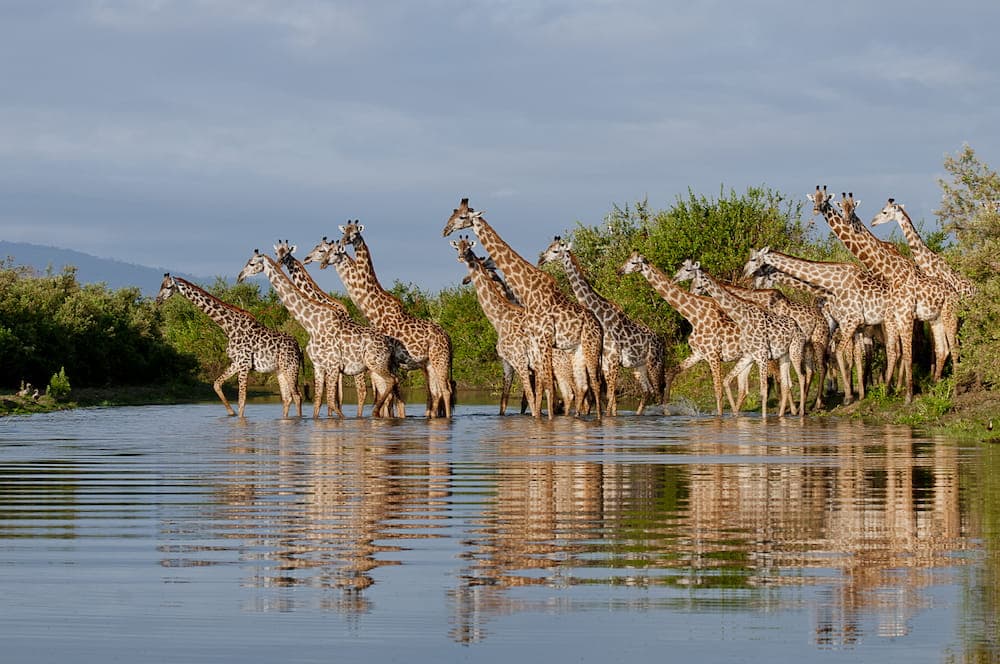
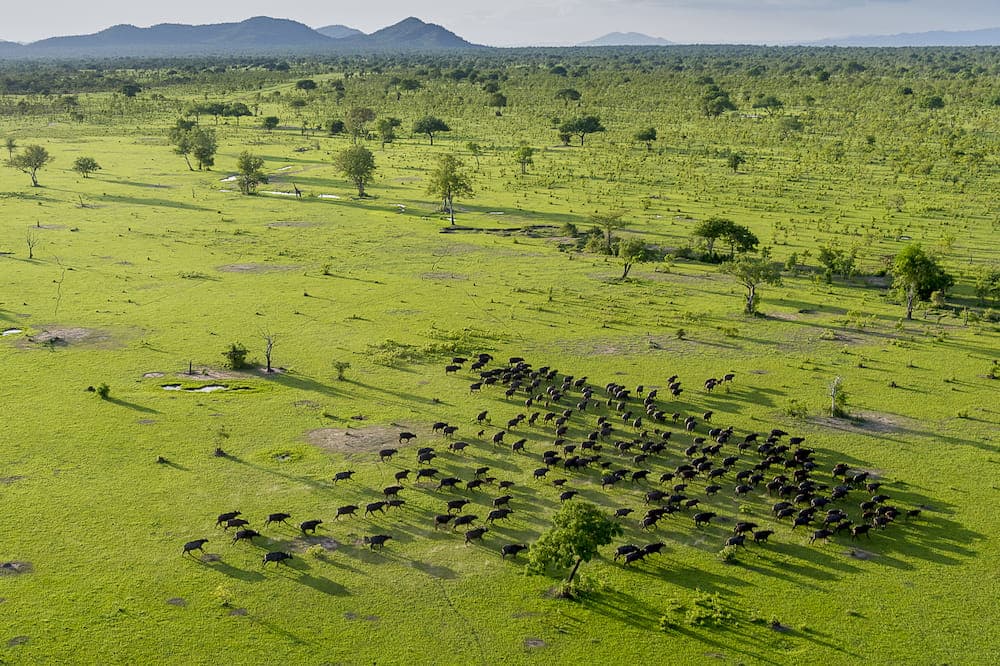
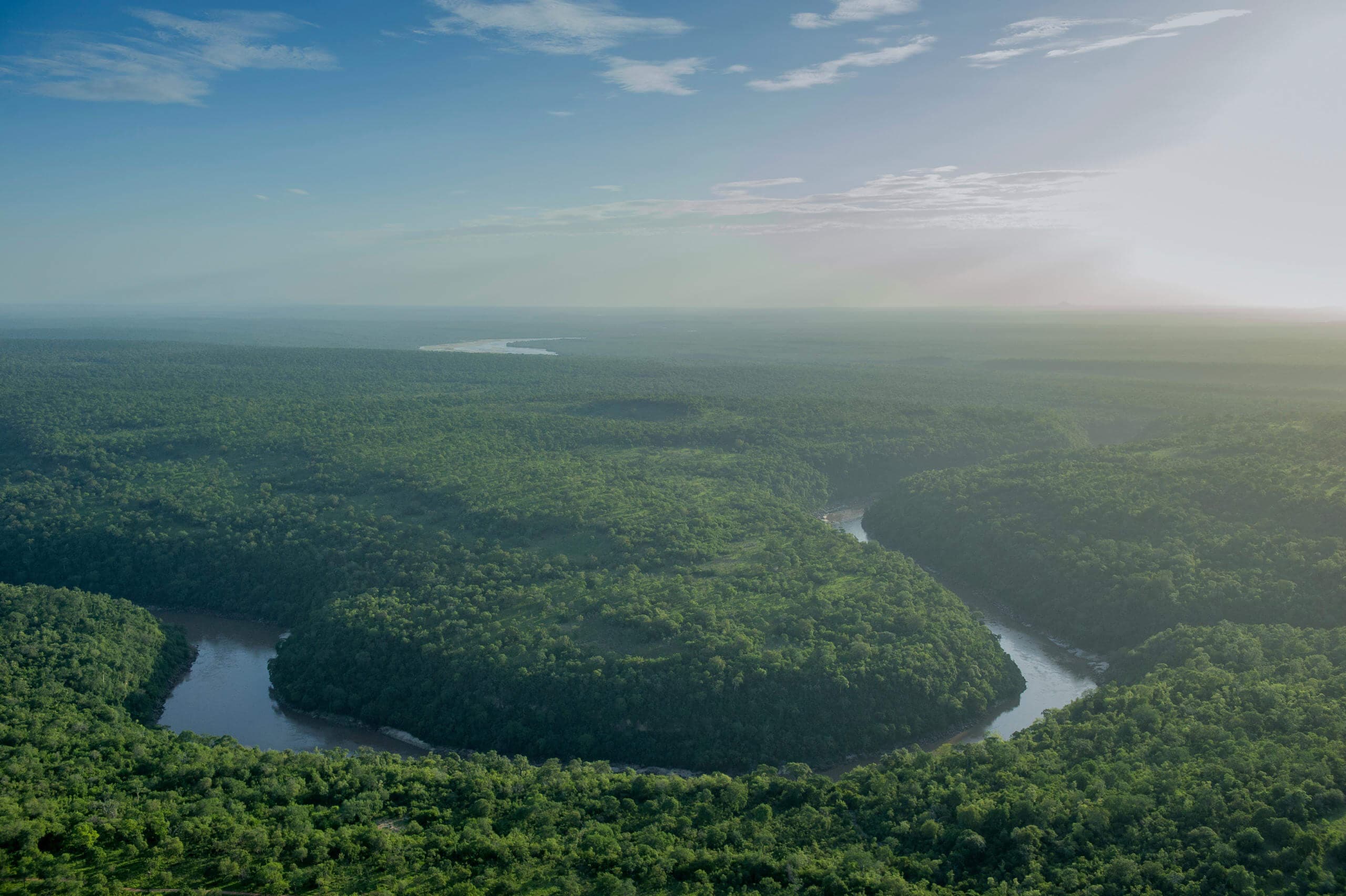
The park's defining feature is the mighty Rufiji River - Tanzania's largest river - which flows through the heart of the reserve before reaching the Indian Ocean. This magnificent river system creates a network of channels, lakes, and wetlands that support extraordinary biodiversity. The sheer volume of wildlife in Nyerere is outstanding, with elephants, buffaloes, and lions found in greater numbers than almost anywhere else in Africa. Together with the remaining Selous area, Nyerere represents the last true stronghold for endangered African wild dogs. The park's vast wilderness area contains relatively undisturbed ecological processes, making it one of Africa's most important conservation areas.
Highlights
Africa's largest national park - 30,893 sq km (size of Belgium)
Established 2019, named after Tanzania's founding father
Mighty Rufiji River - Tanzania's largest river system
Last true stronghold for African wild dogs
Massive elephant and buffalo populations
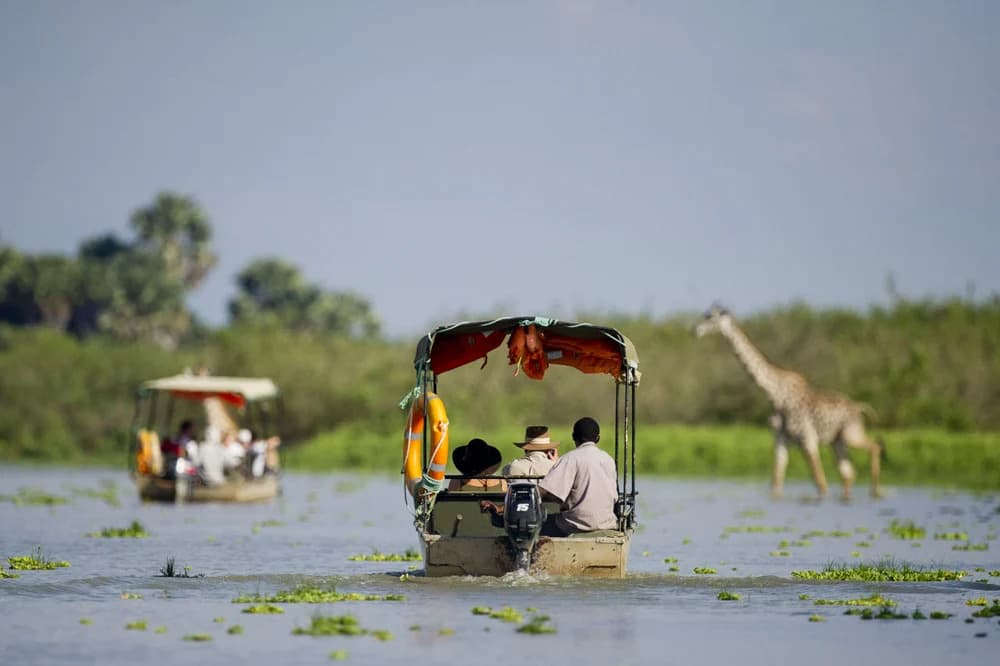
Unique boat safaris on Rufiji River
Legendary fly camping experiences
UNESCO World Heritage ecosystem
Relatively undisturbed wilderness processes
Greatest diversity of safari activities in Tanzania
Wildlife
Activities
Boat Safaris - Unique Rufiji River wildlife viewing
Game Drives - Morning, afternoon, and full-day safaris
Walking Safaris - Guided bush walks in pristine wilderness
Fly Camping - Legendary mobile camping expeditions
Bird Watching - 440+ species including water birds
Photography - River landscapes and wildlife
Hippo and Crocodile Viewing - Rufiji River observations
African Wild Dog Tracking - Endangered species viewing
Fishing - Tiger fish and other species (seasonal)
Sundowner Boat Cruises - Sunset wildlife viewing on the river
Night Game Drives - Nocturnal wildlife at select camps
Best Time to Visit
The best time to visit Nyerere National Park is during the dry season from June to October, when wildlife concentrates around the Rufiji River and lakes, delivering exceptional game viewing. July through October offers the greatest concentrations of wildlife when other water sources dry up. During this peak season, elephants, buffaloes, lions, leopards, and zebras frequently visit waterholes, making for spectacular game drives and boat safaris. The dry conditions also mean fewer mosquitoes, clearer skies for photography, and better road access. The wet season (November-May) brings lush green landscapes and excellent bird watching, though some areas may be less accessible.
More Destinations in Southern Circuit
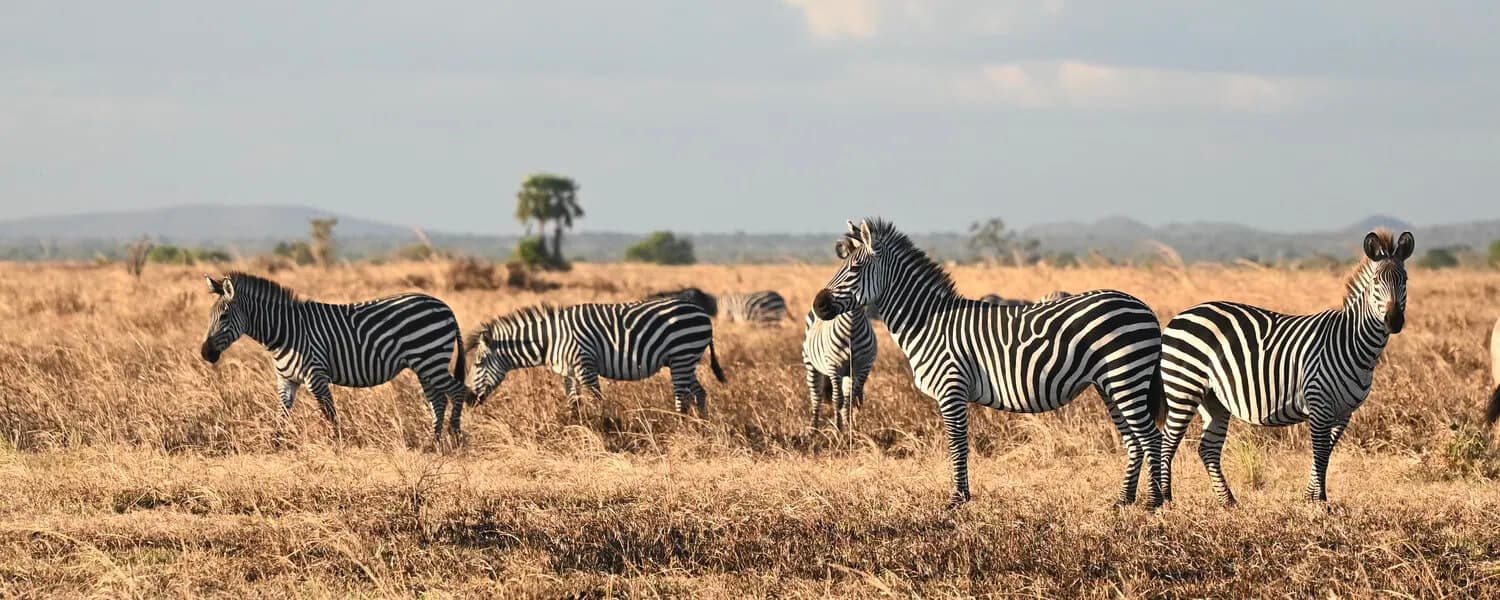
Mikumi National Park
Tanzania's 4th largest park and hidden gem, offering authentic safari experiences without crowds. Located just 4-5 hours from Dar es Salaam with abundant wildlife, 400+ bird species, and stunning Uluguru Mountain backdrop. Part of the vast Selous ecosystem.
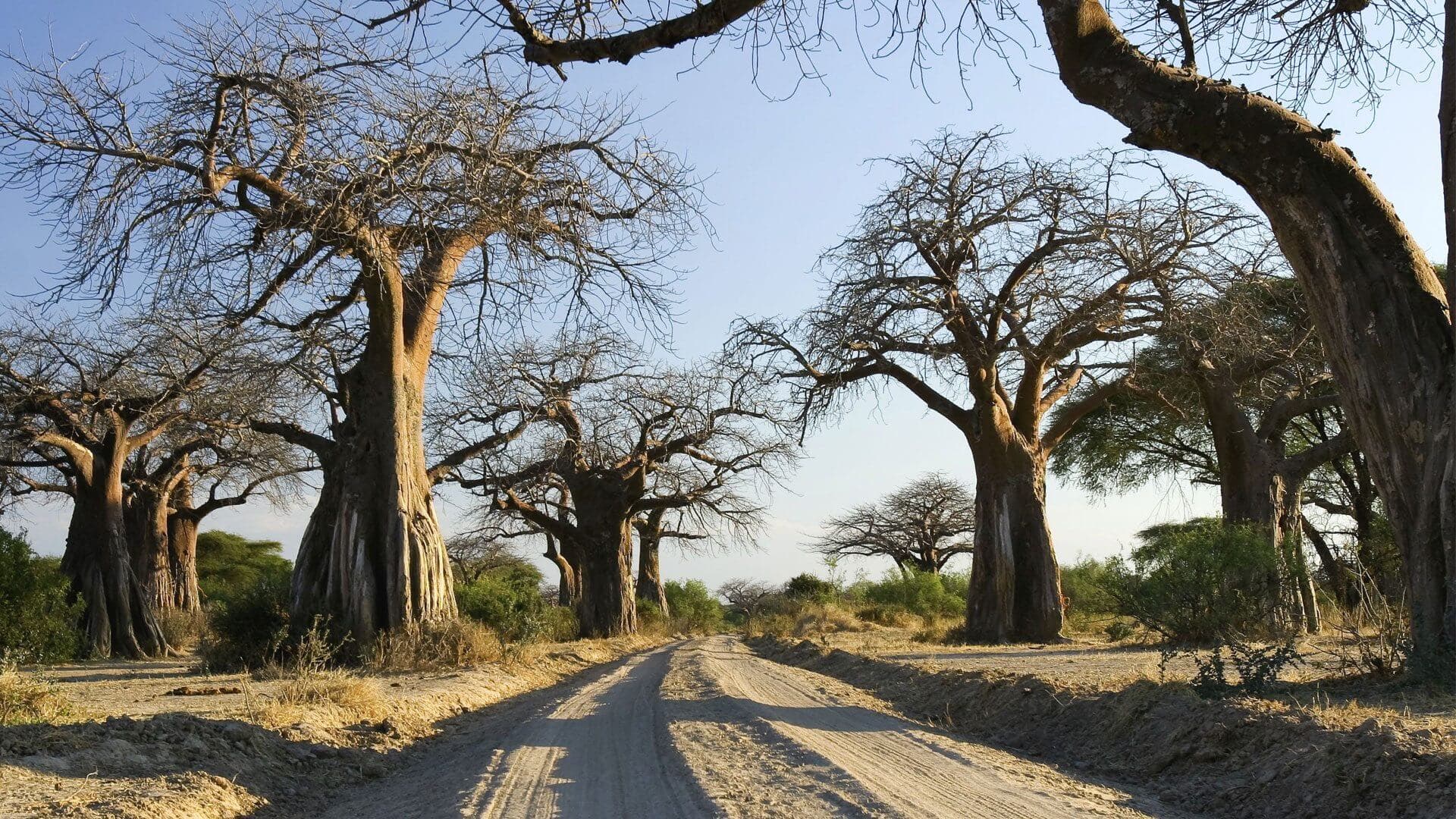
Ruaha National Park
Tanzania's largest national park at 20,226 sq km offering wild, remote safari experiences. Famous for massive elephant herds, thriving African wild dog population, 570+ bird species, and the mighty Great Ruaha River. A true wilderness adventure.