Ngorongoro Crater
World's largest intact volcanic caldera and best place in East Africa to see the Big Five. A UNESCO World Heritage Site with 25,000 animals including 26 endangered black rhinos. Formed 3 million years ago with the highest wildlife density in Africa.
About Ngorongoro Crater
The Ngorongoro Crater is a breathtakingly beautiful setting and the best place in East Africa to see the Big Five. As one of the world's most astonishing natural wonders, it offers an unparalleled safari experience, though it can get busy during peak season.
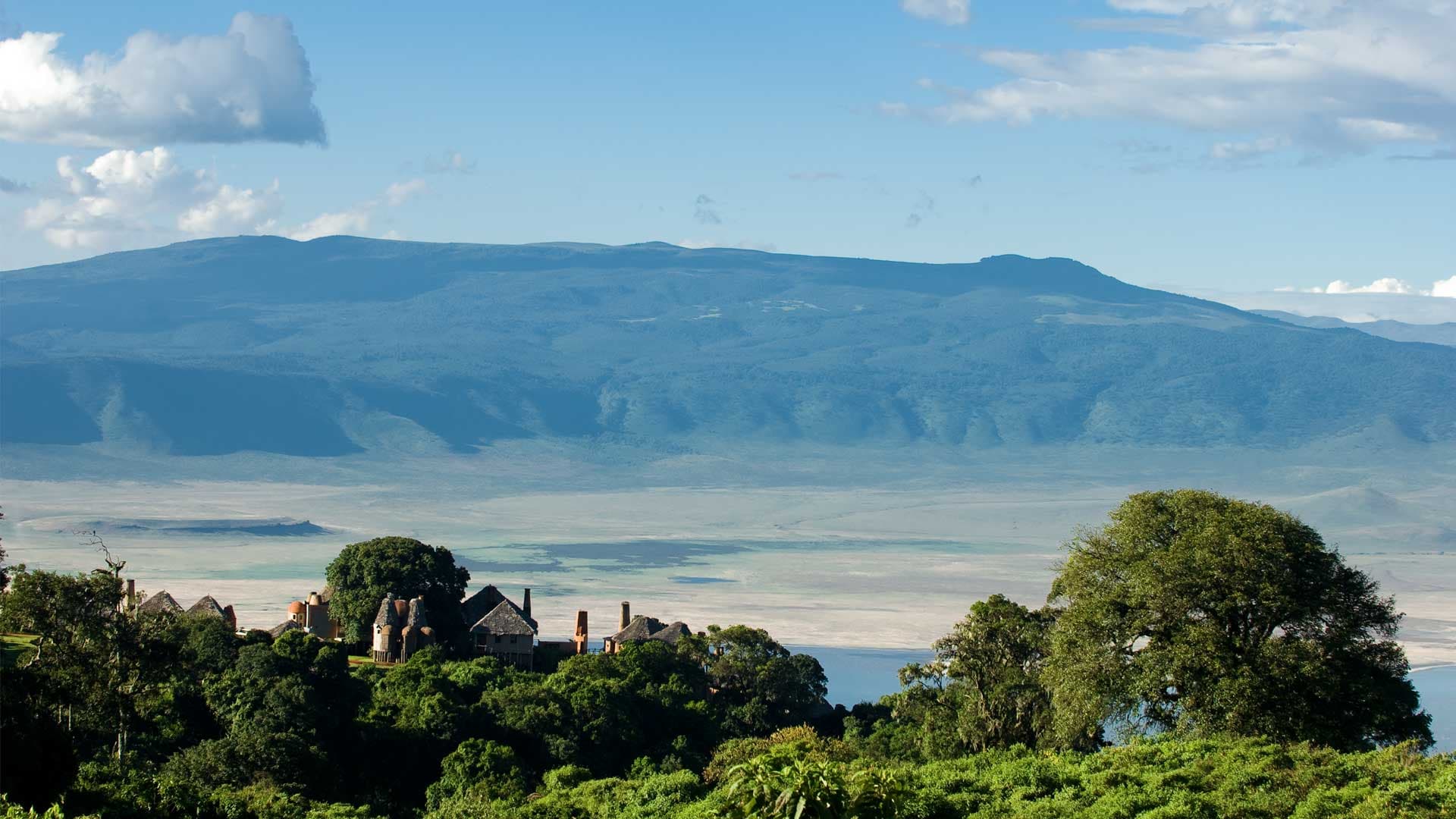
The crater and surrounding highlands together form one of Africa's most beautiful regions, with volcanic craters creating stunning backdrops to some of the most fertile and richest grazing grounds in Africa. The Ngorongoro Crater is the world's largest intact volcanic caldera, measuring 16-19 kilometers in diameter, 600 meters deep, and covering 260 square kilometers.
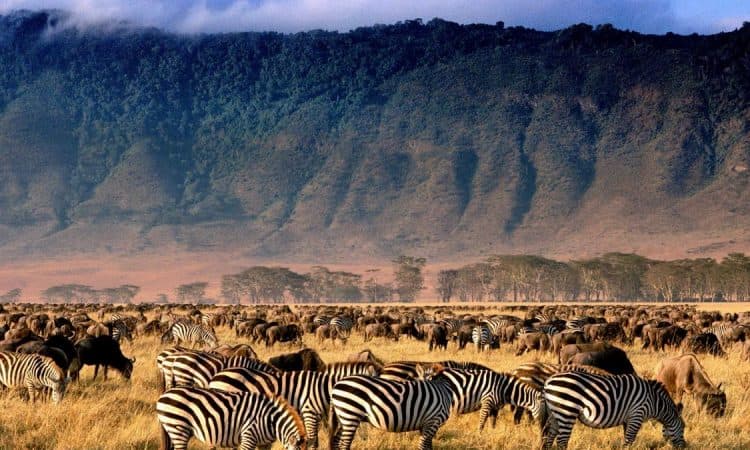
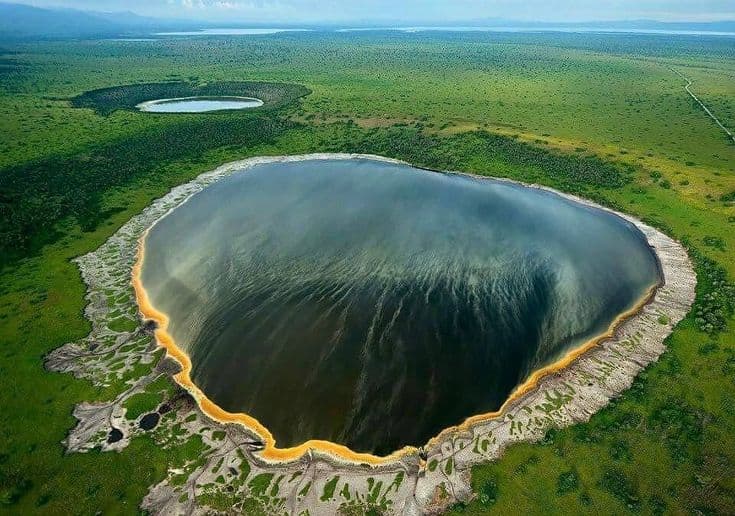
Designated a UNESCO World Heritage Site, the crater was formed when a giant volcano exploded and collapsed around 3 million years ago. The unique enclosed ecosystem provides year-round water sources and vegetation, allowing over 25,000 animals to remain without seasonal migration. This includes Africa's densest population of predators, with 62 lions and 26 of Tanzania's remaining black rhinos. The crater floor features Lake Magadi, an alkaline lake that attracts thousands of flamingos, creating spectacular pink carpets across the water.
Highlights
World's largest intact volcanic caldera - 260 sq km
Best place in East Africa to see the Big Five
25,000+ animals including 26 black rhinos
62 lions - Africa's densest lion population
UNESCO World Heritage Site
Formed 3 million years ago from volcanic collapse
Lake Magadi with thousands of flamingos
Year-round wildlife viewing (no migration needed)
Crater rim at 2,400m with spectacular views
Maasai cultural interactions in conservation area
Wildlife
Activities
Crater Floor Game Drives - Full-day Big Five viewing
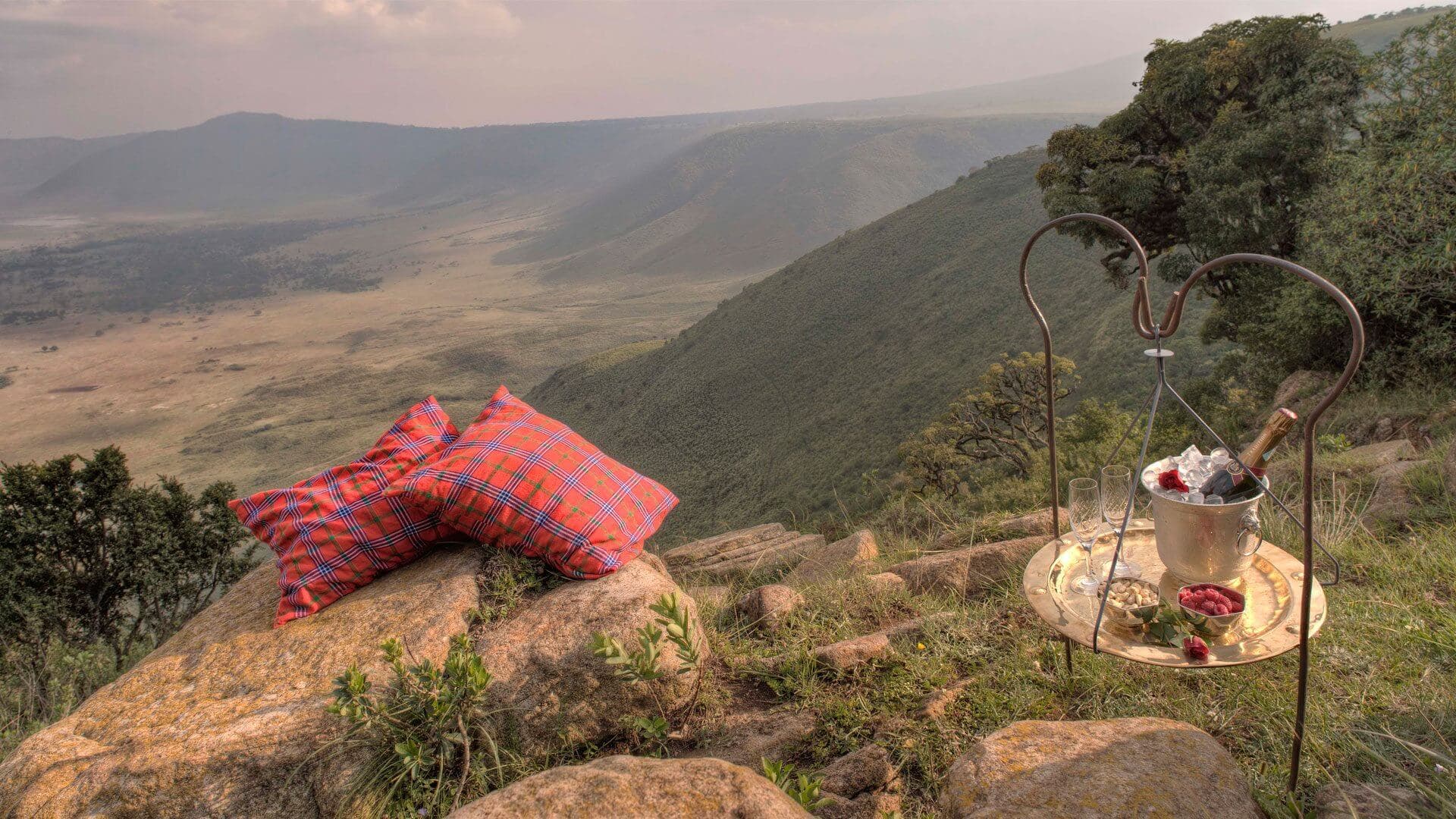
Picnicking - Designated spots on crater floor
Flamingo Viewing - Lake Magadi observations
Photography - Stunning crater vistas and wildlife
Bird Watching - 500+ species including raptors
Walking Safaris - In wider Ngorongoro Conservation Area
Olduvai Gorge Excursions - Cradle of mankind archaeological site
Maasai Village Visits - Cultural interactions
Crater Rim Viewing - Spectacular panoramic views
Trekking - Highland trails in conservation area
Best Time to Visit
Ngorongoro Crater offers excellent wildlife viewing year-round thanks to its unique micro-climate and self-contained ecosystem. Since animals don't migrate, there's no bad time to visit. However, the low season (April-May) can be more pleasant with fewer vehicles on the crater floor. Higher water levels in Lake Magadi during wet months result in larger flamingo concentrations. The dry season (June-October) offers optimal game viewing conditions, while January-March provides excellent weather with green landscapes and calving season action.
Tours Visiting Ngorongoro Crater
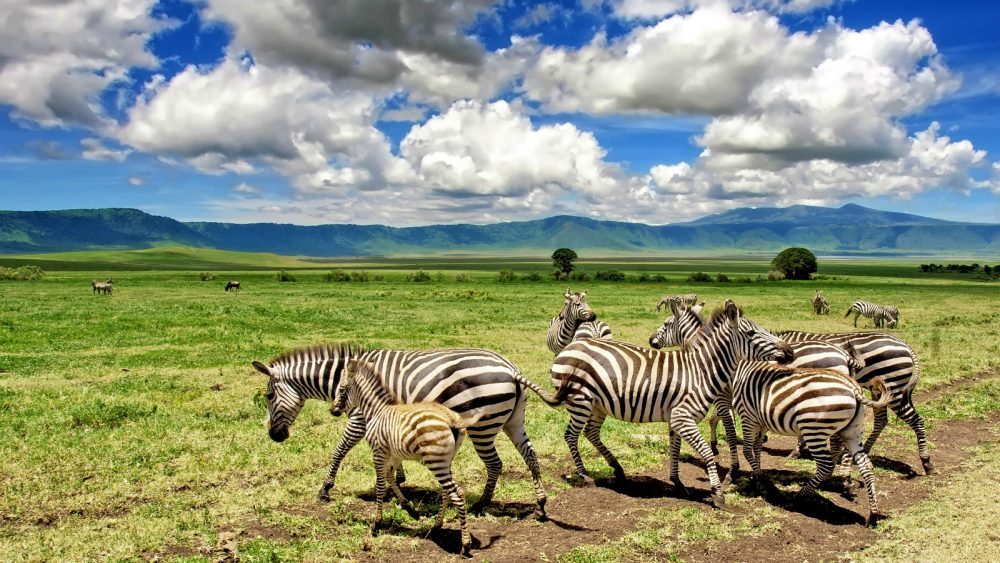
Tanzania's Exquisite 7-Day Safari
Experience Tanzania's most iconic parks including Serengeti, Ngorongoro Crater, Lake Manyara, and Tarangire on this meticulously crafted safari adventure.
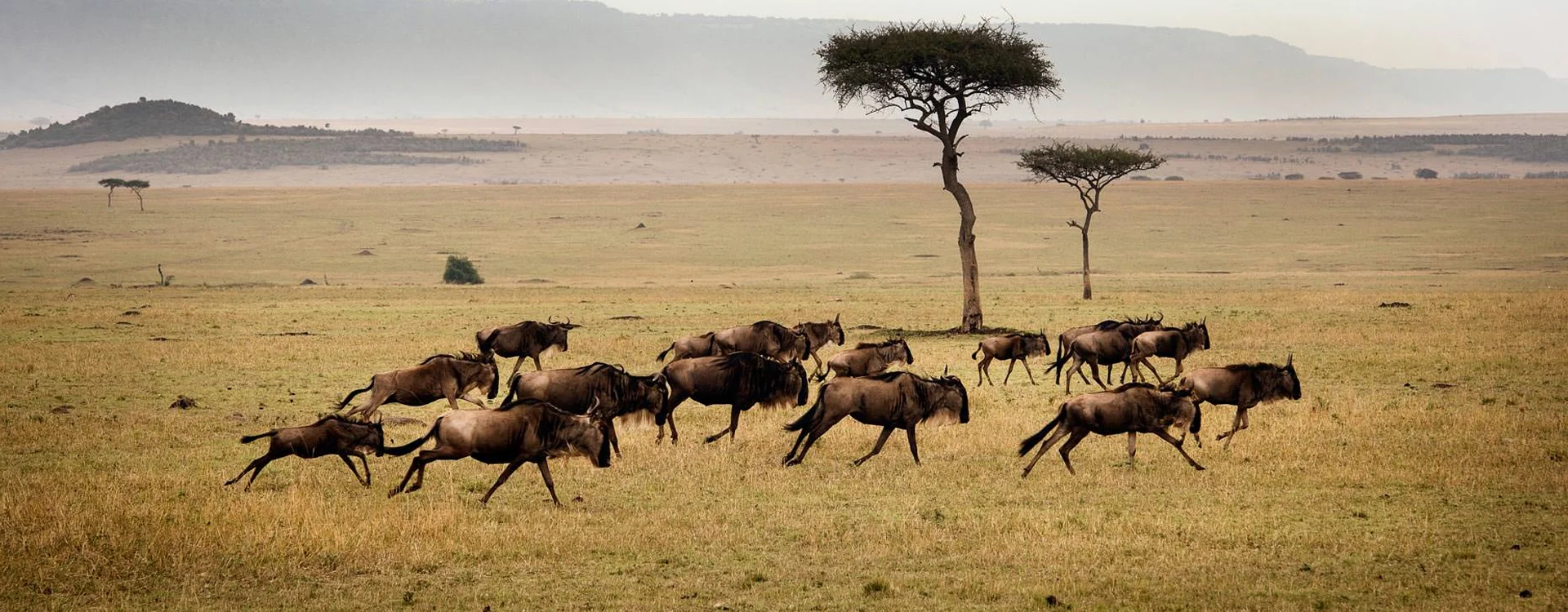
Tanzania Luxury 5-Day Safari
A luxury safari meticulously crafted to provide a perfect balance of adventure, relaxation, and wildlife encounters across Tanzania's most iconic parks.
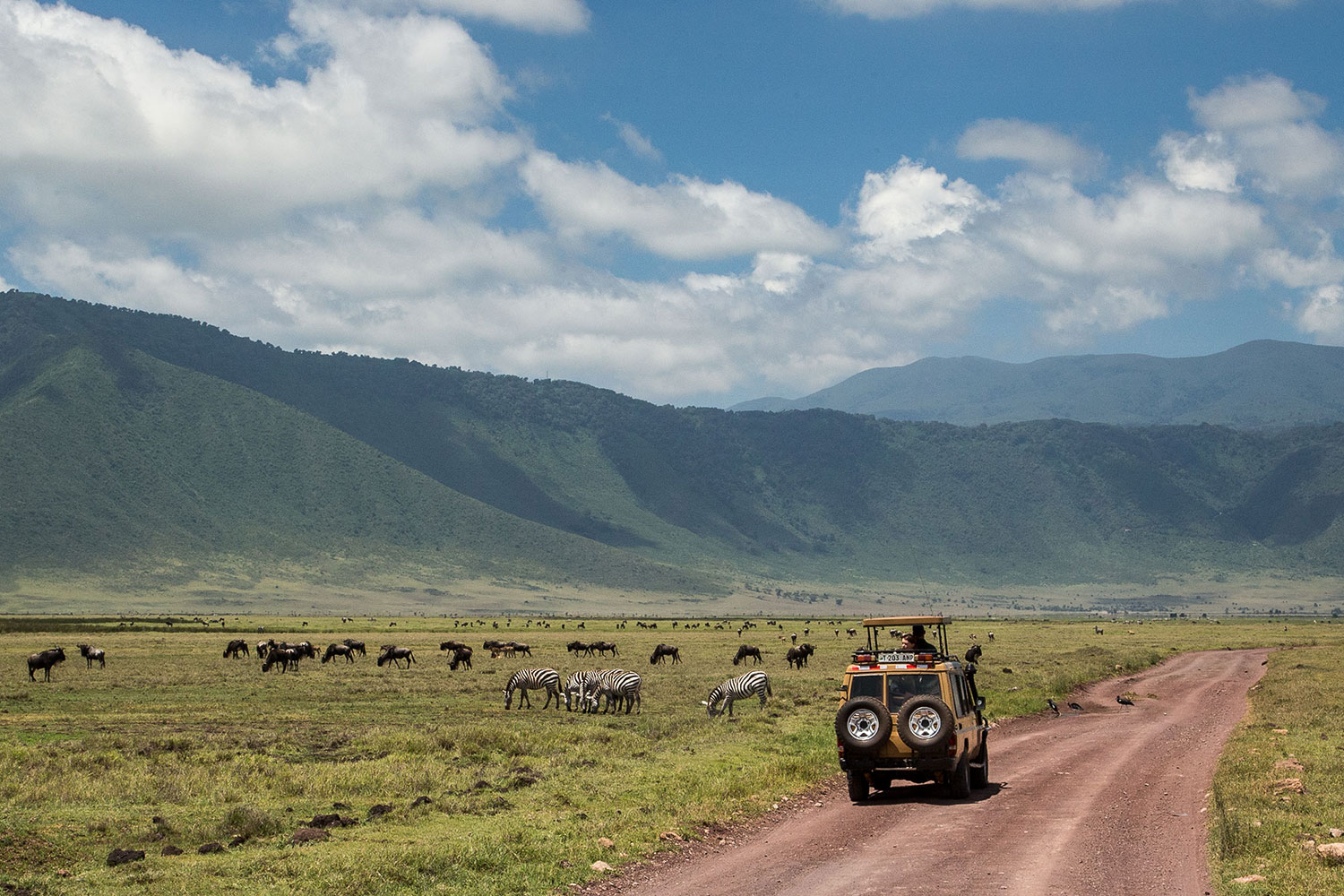
6-Day Midrange Tanzania Safari
An affordable yet immersive adventure through Tanzania's stunning national parks and wildlife reserves. Perfect for travelers seeking a balance between cost and comfort.
More Destinations in Northern Circuit
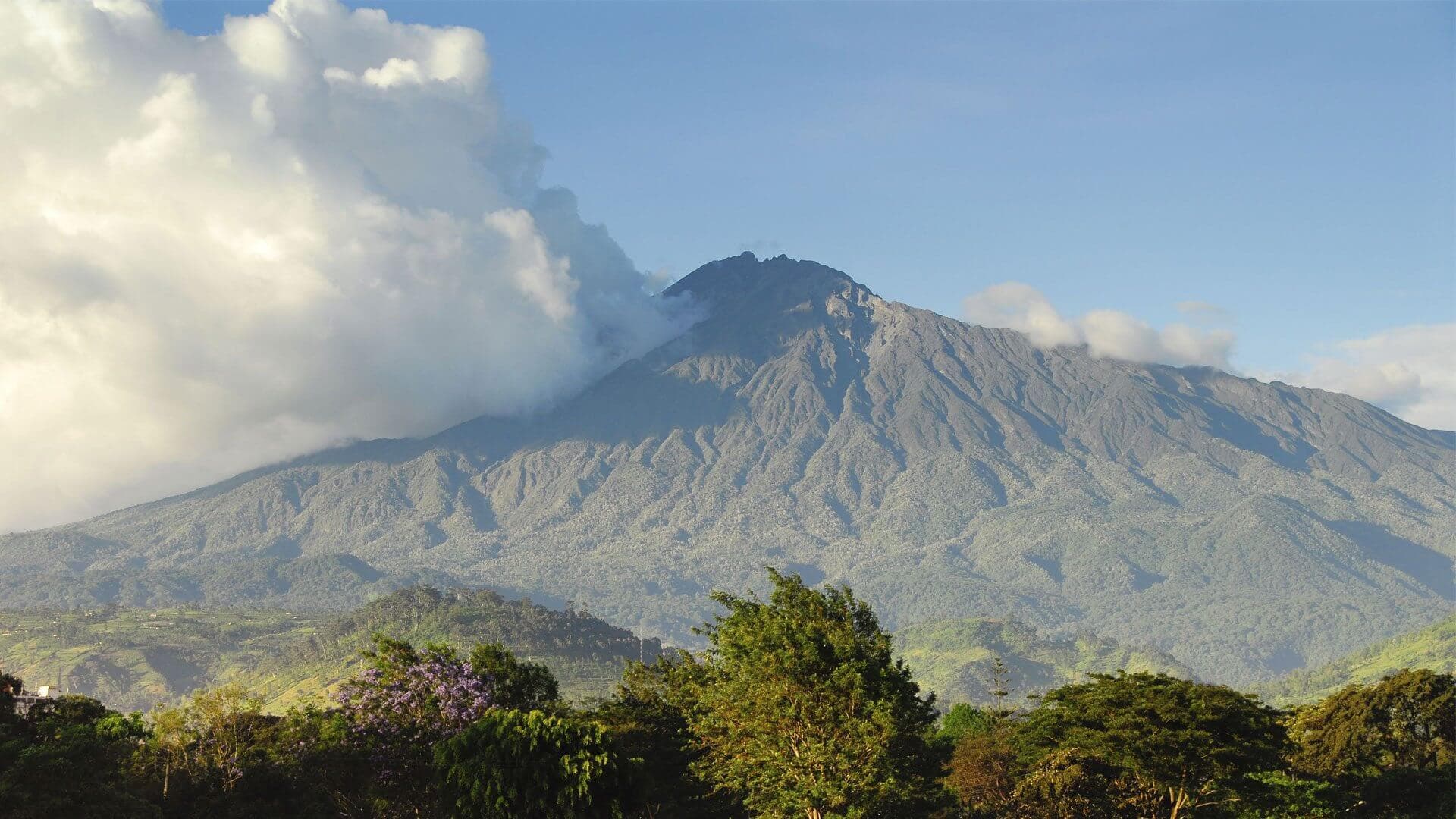
Arusha National Park
One of Tanzania's most accessible parks, home to Mount Meru, diverse wildlife including Africa's largest giraffe population, and the stunning Momella Lakes. Just 40 minutes from Kilimanjaro International Airport.
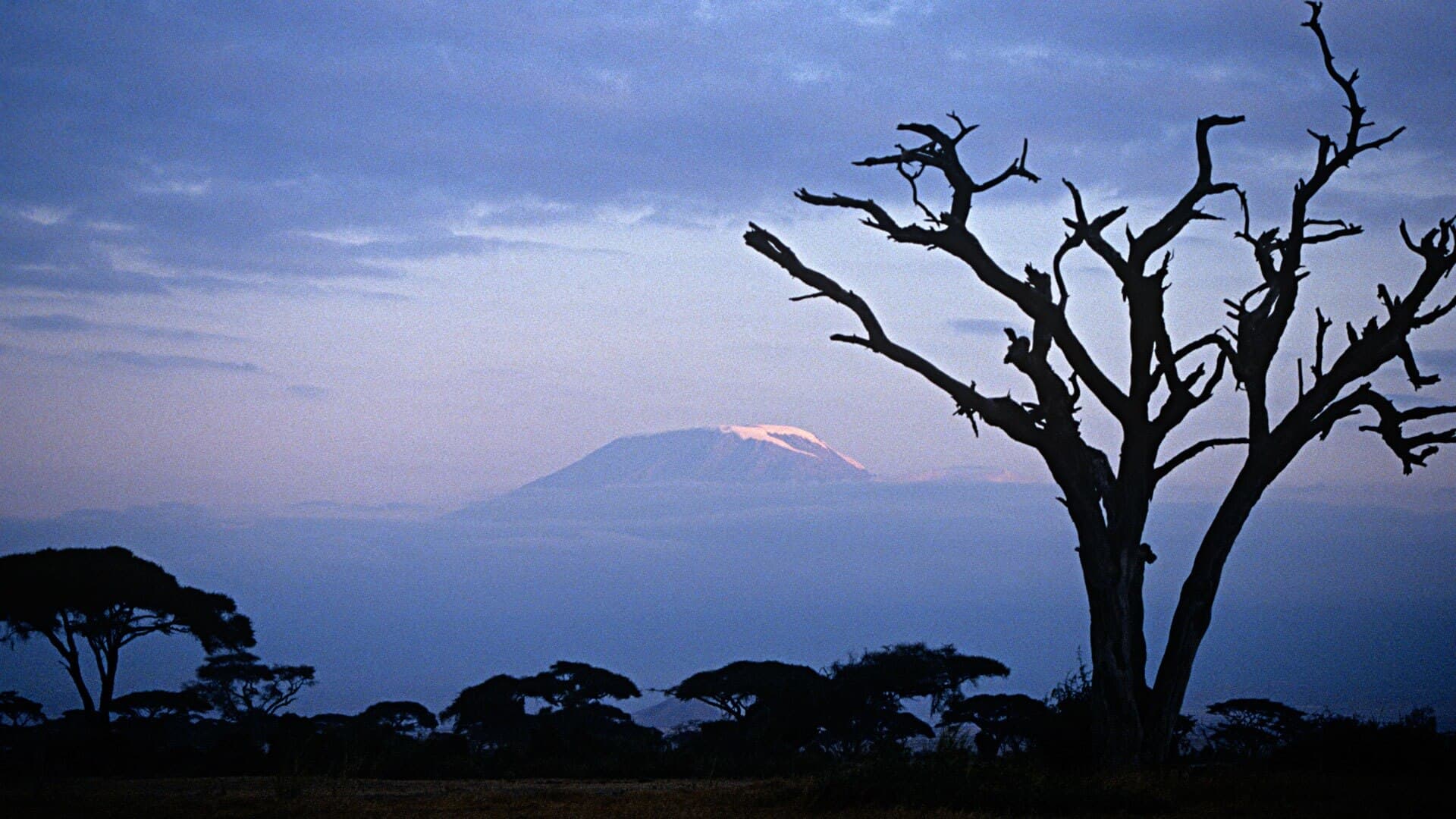
Mount Kilimanjaro National Park
Home to Africa's highest peak at 5,895m, Mount Kilimanjaro is the world's tallest freestanding mountain. A UNESCO World Heritage Site offering challenging climbs through five distinct ecological zones, from tropical rainforest to arctic summit.
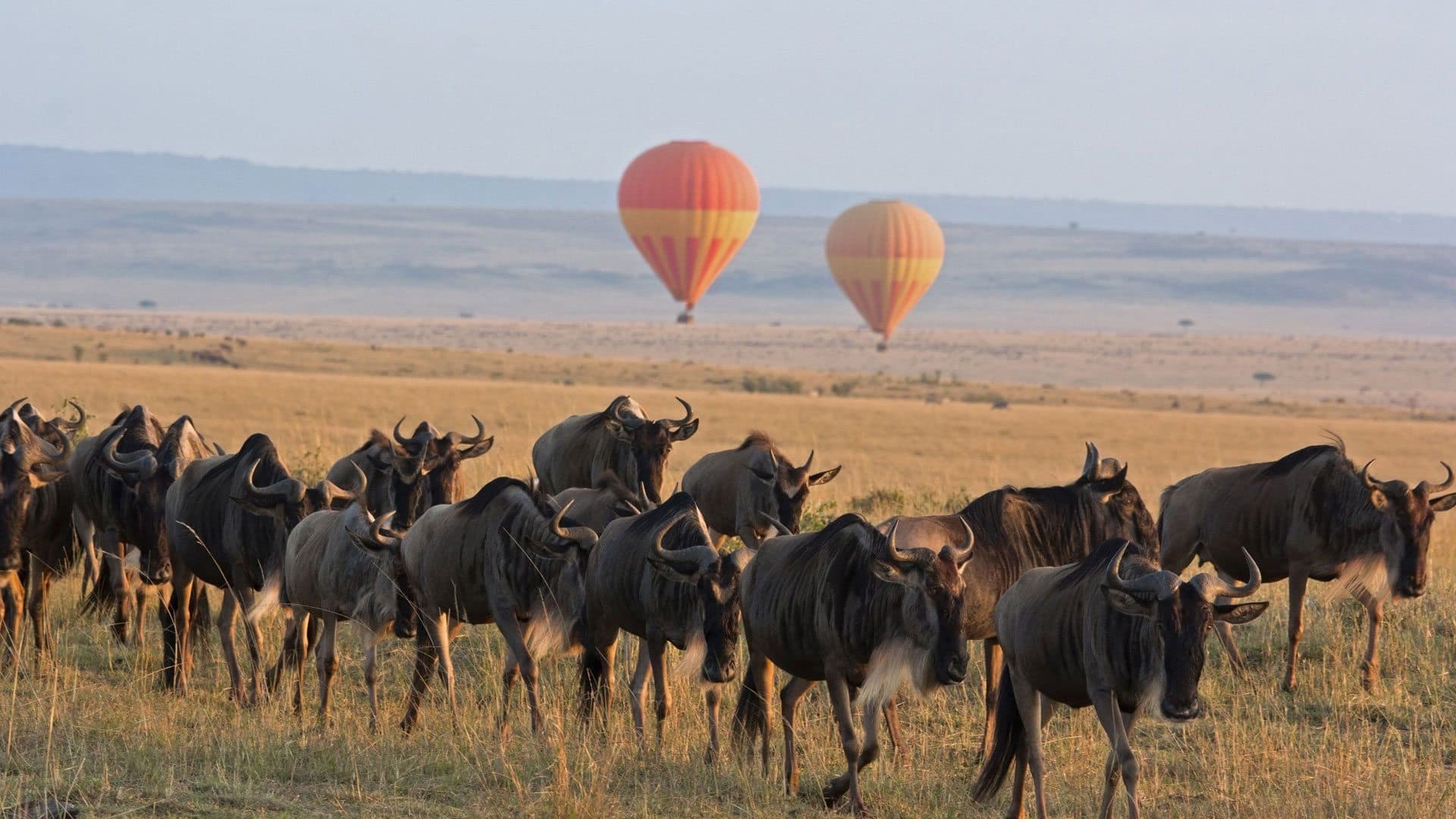
Serengeti National Park
The greatest wildlife destination on earth, famous for the Great Migration of millions of wildebeest. A UNESCO World Heritage Site offering untouched African wilderness, massive predator populations, and the cradle of human life.