Serengeti National Park
The greatest wildlife destination on earth, famous for the Great Migration of millions of wildebeest. A UNESCO World Heritage Site offering untouched African wilderness, massive predator populations, and the cradle of human life.
About Serengeti National Park
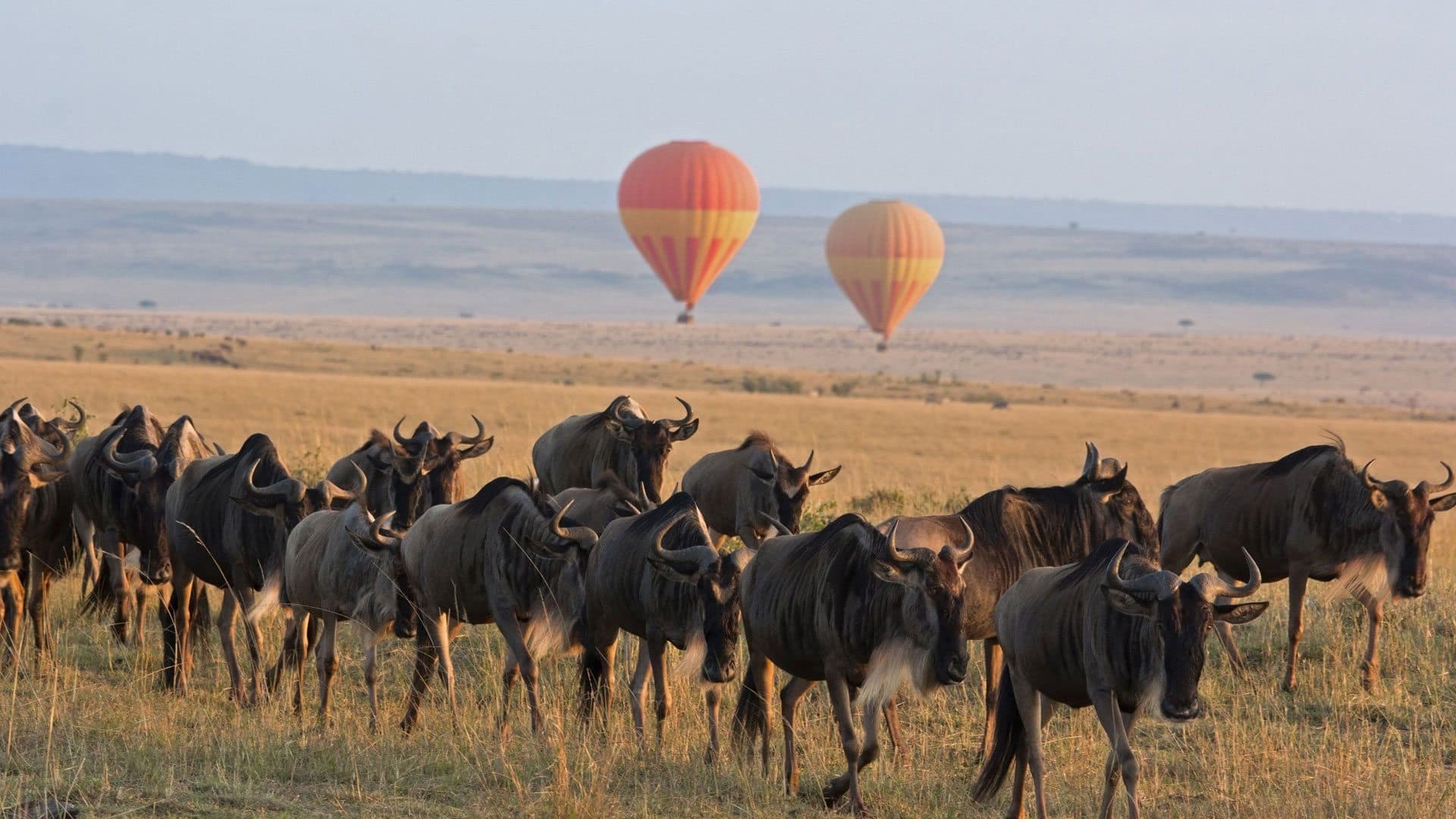
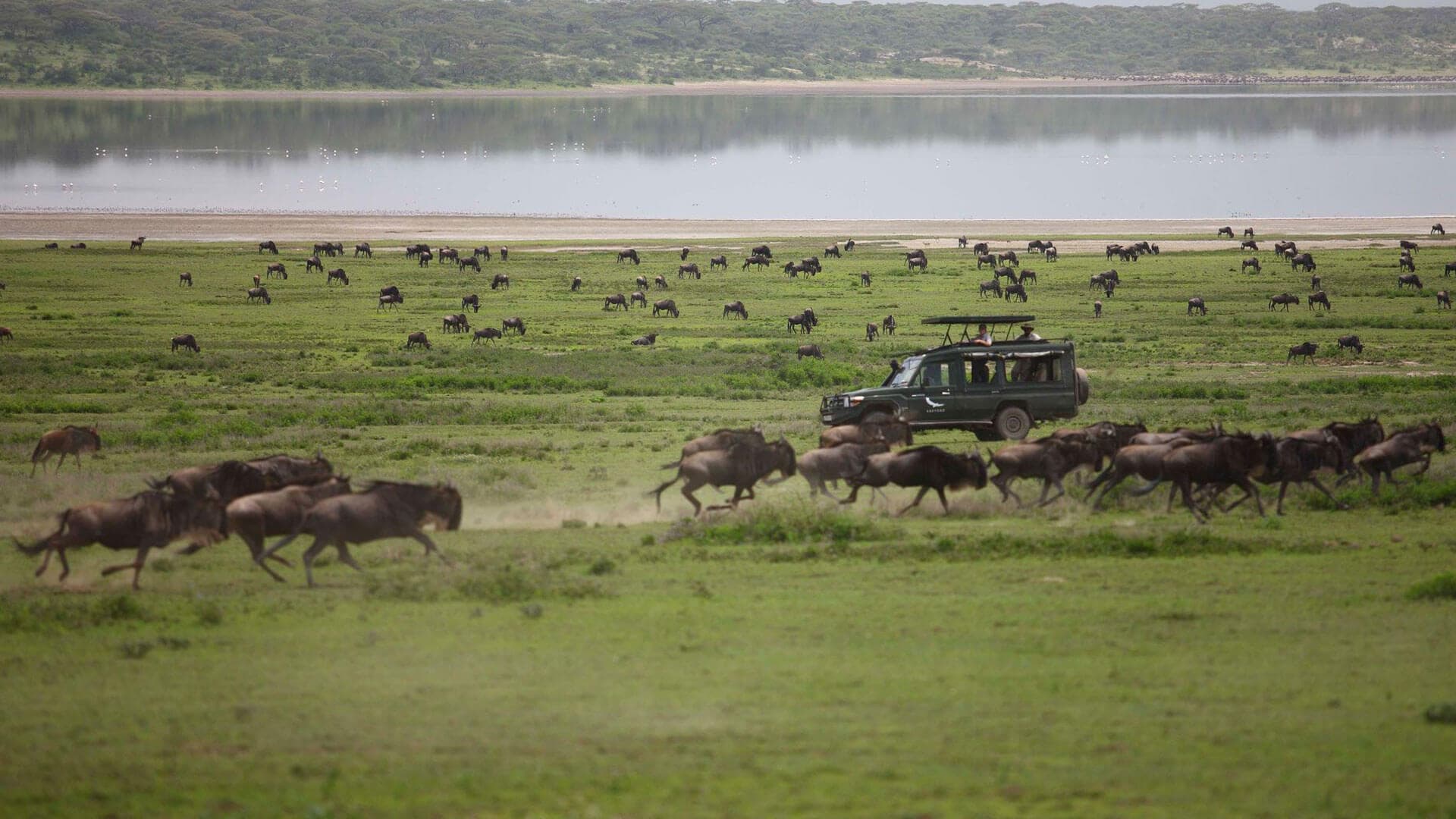
Welcome to Serengeti National Park - the only place where you can witness millions of migrating wildebeest over the Acacia plains, the cradle of human life, and probably the closest to an untouched African wilderness you will ever get. Where time seems to stand still, despite the thousands of animals constantly on the move.
The magic of Serengeti is not easy to describe in words. The buzz of millions of wildebeest vibrating through your entire body, vistas of honey-lit plains at sunset, and the genuine smiles of the Maasai people create an experience you'll never forget. Whether you visit during calving season, river crossings, or the quiet months, Serengeti is magical all year round.
Established in 1930 as a 2,286 square kilometer game reserve, the park was formally designated in 1951 and became one of the first UNESCO World Heritage Sites in 1981. Originally including Ngorongoro, which split off in 1959, the park now protects one of the world's most complete ecosystems. This is a transition area from rich flat soils to poor hilly soils, supporting incredible biodiversity and the annual Great Migration of over 2 million animals.
Highlights
The Great Migration - 2+ million wildebeest, zebras, and gazelles
Mara River Crossings - Dramatic wildebeest crossings (July-October)
UNESCO World Heritage Site since 1981
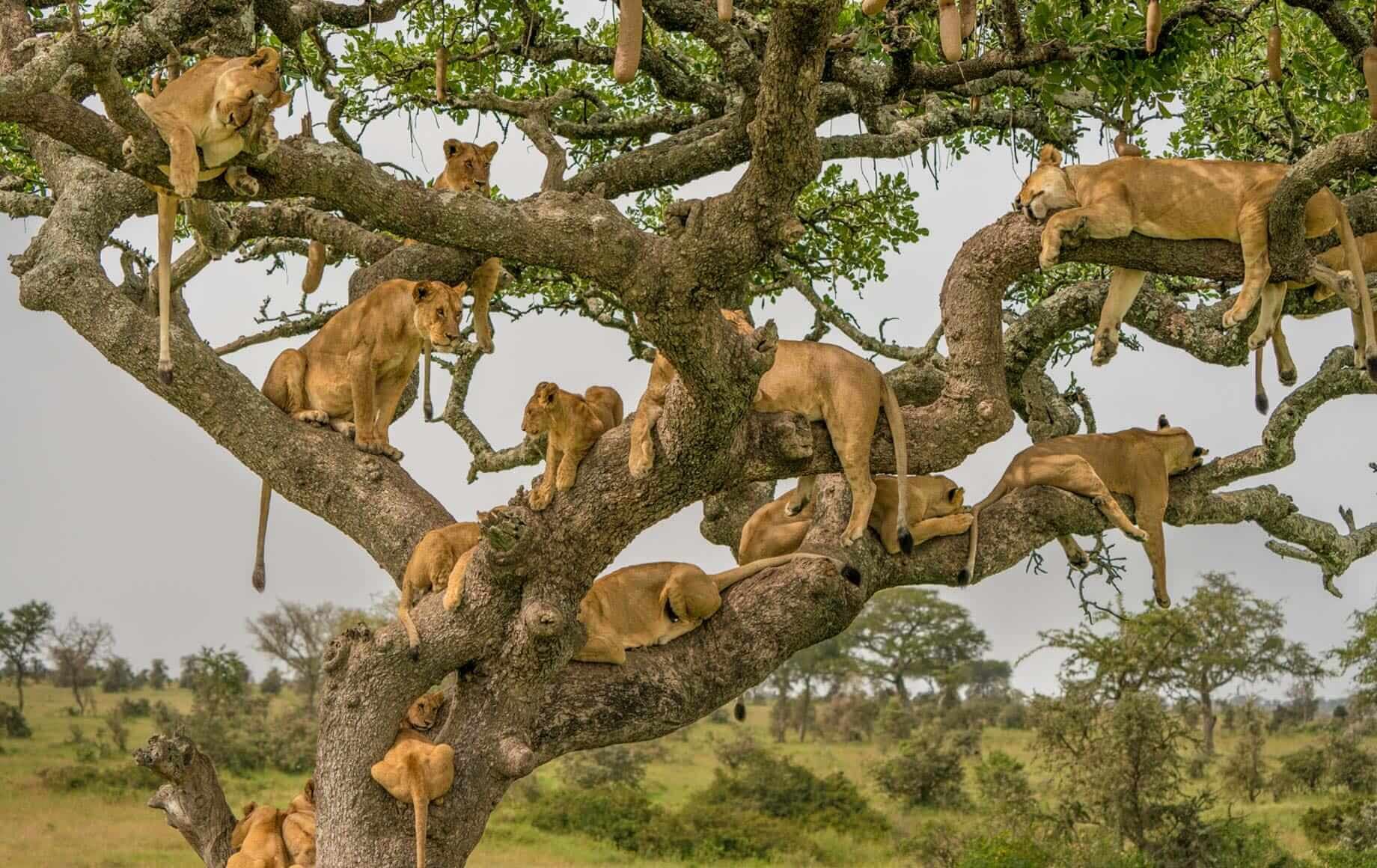
7,500 hyenas, 3,000 lions, 250 cheetahs - highest predator density
Endless Acacia plains stretching to the horizon
Cradle of human life - Australopithecus afarensi fossils (4 million years old)
Maasai cultural heritage and traditional way of life
Unfenced ecosystem allowing natural migration patterns
Calving season (January-March) with 8,000 births daily
Year-round exceptional game viewing
Wildlife
Activities
Great Migration Game Drives - Following the herds year-round
Mara River Crossing Viewing - Witnessing dramatic crossings (July-October)
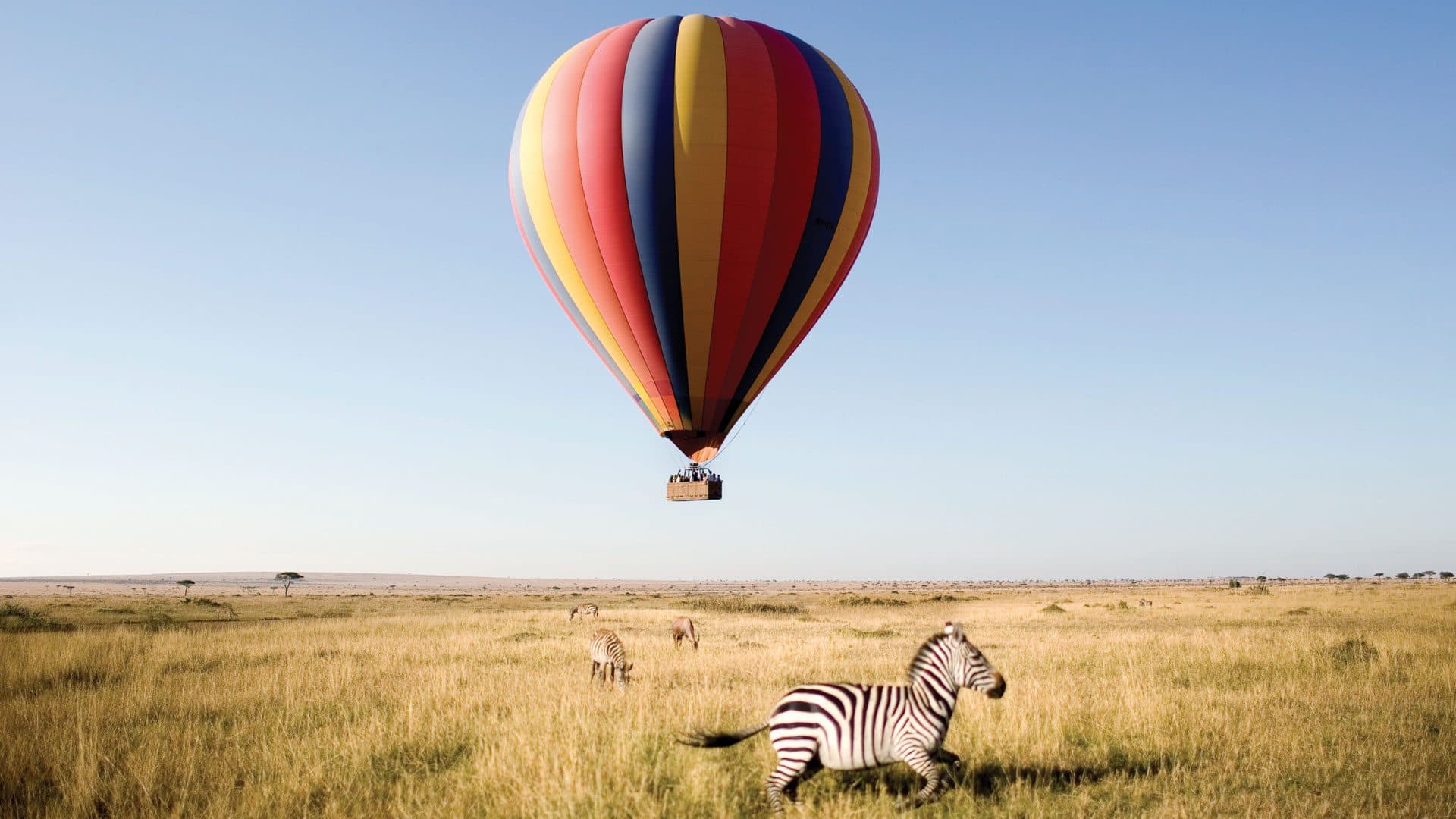
Hot Air Balloon Safaris - Sunrise flights over the plains
Game Drives - Morning, afternoon, and full-day safaris
Walking Safaris - Guided bush walks in designated areas
Cultural Tours - Maasai village visits and cultural experiences
Bird Watching - Over 500 species including raptors and water birds
Photography Safaris - Capturing predator action and landscapes
Night Game Drives - Nocturnal wildlife viewing (select camps)
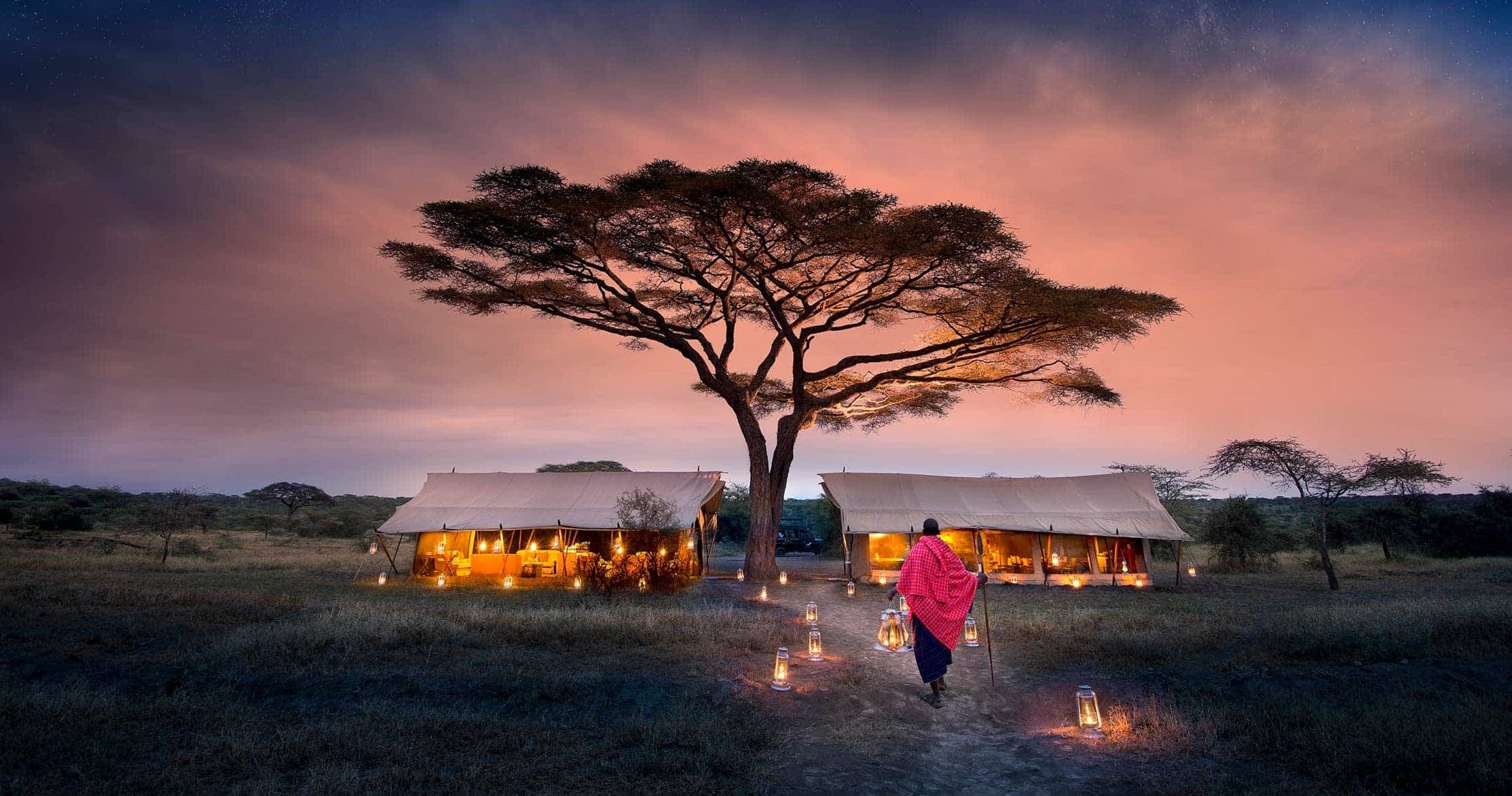
Fly Camping - Mobile tented camps following the migration
Best Time to Visit
Serengeti offers exceptional wildlife viewing year-round, with each season offering unique experiences. The dry season (June-October) is ideal for predator sightings and Mara River crossings. The short rains (November-December) bring lush landscapes and fewer crowds. Calving season (January-March) in the southern Serengeti sees 8,000 wildebeest births daily with intense predator action. April-May (long rains) offers dramatic skies and excellent value, though some areas may be less accessible.
Tours Visiting Serengeti National Park
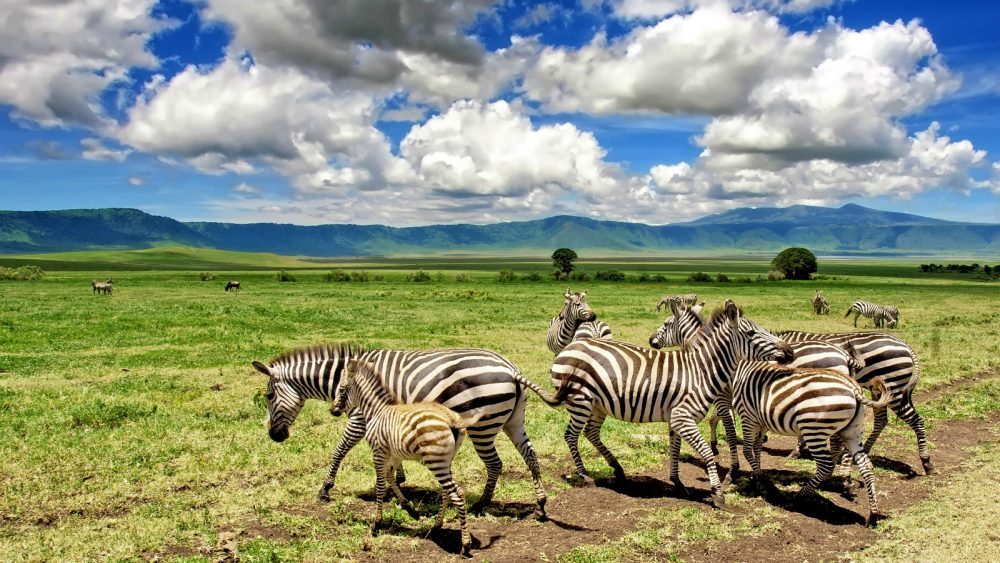
Tanzania's Exquisite 7-Day Safari
Experience Tanzania's most iconic parks including Serengeti, Ngorongoro Crater, Lake Manyara, and Tarangire on this meticulously crafted safari adventure.
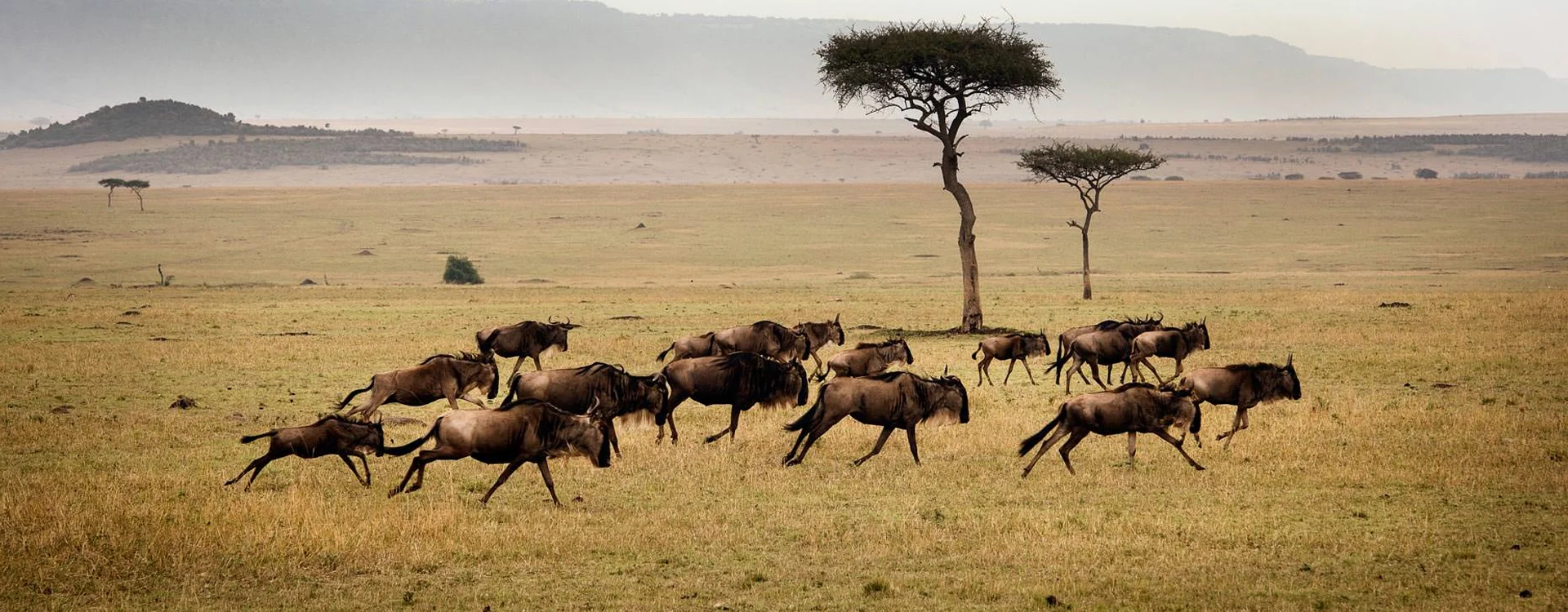
Tanzania Luxury 5-Day Safari
A luxury safari meticulously crafted to provide a perfect balance of adventure, relaxation, and wildlife encounters across Tanzania's most iconic parks.
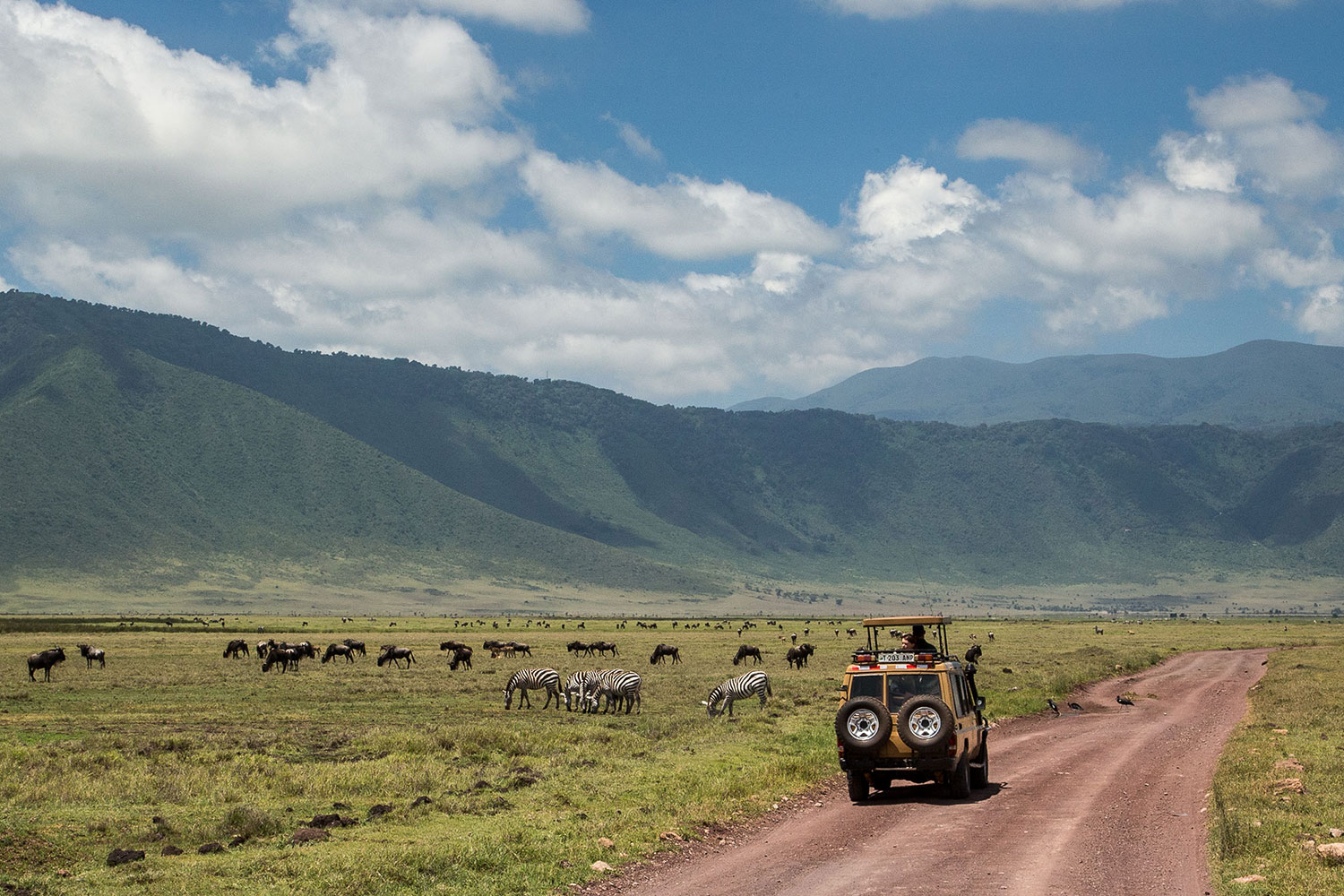
6-Day Midrange Tanzania Safari
An affordable yet immersive adventure through Tanzania's stunning national parks and wildlife reserves. Perfect for travelers seeking a balance between cost and comfort.
More Destinations in Northern Circuit
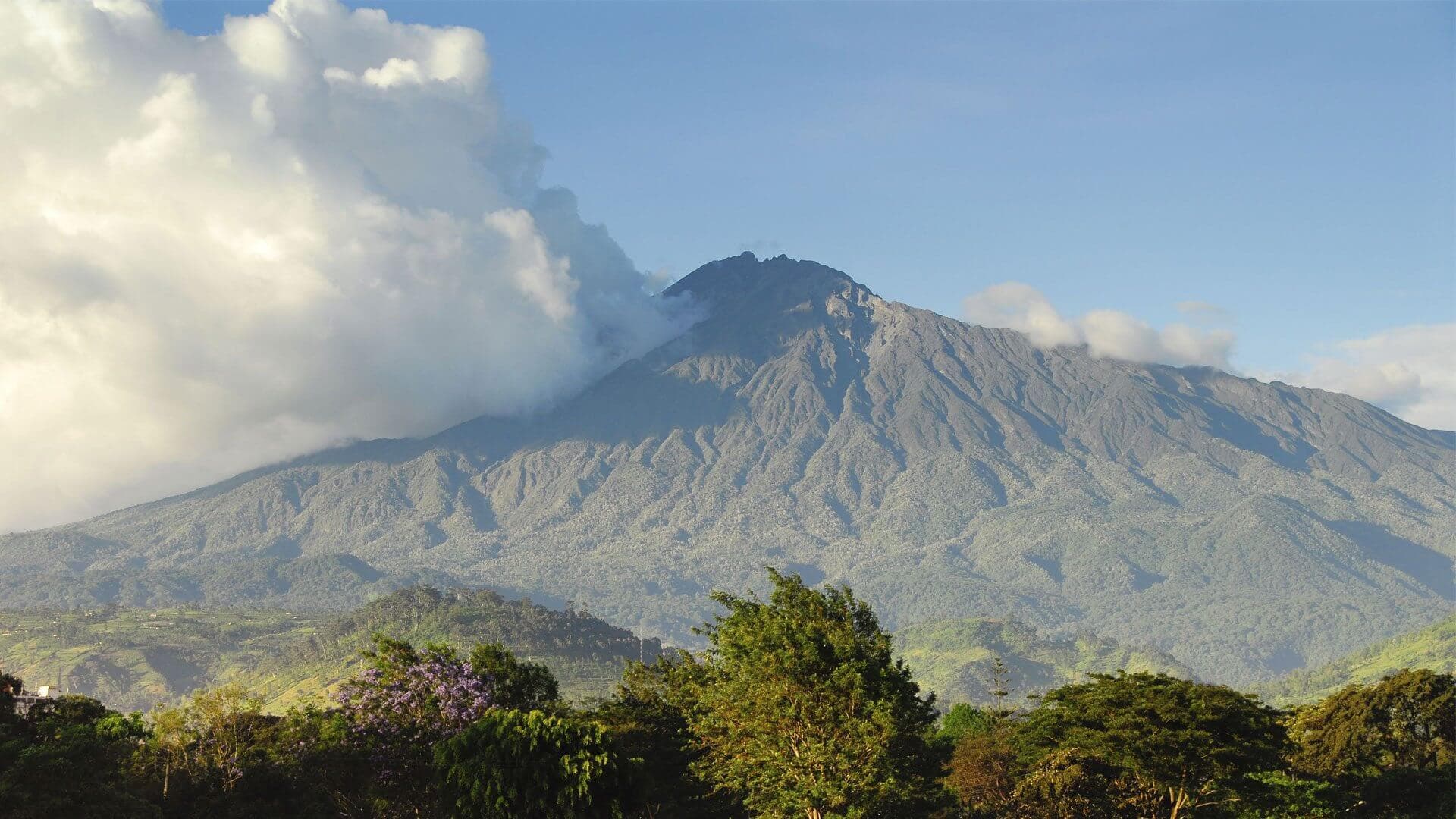
Arusha National Park
One of Tanzania's most accessible parks, home to Mount Meru, diverse wildlife including Africa's largest giraffe population, and the stunning Momella Lakes. Just 40 minutes from Kilimanjaro International Airport.
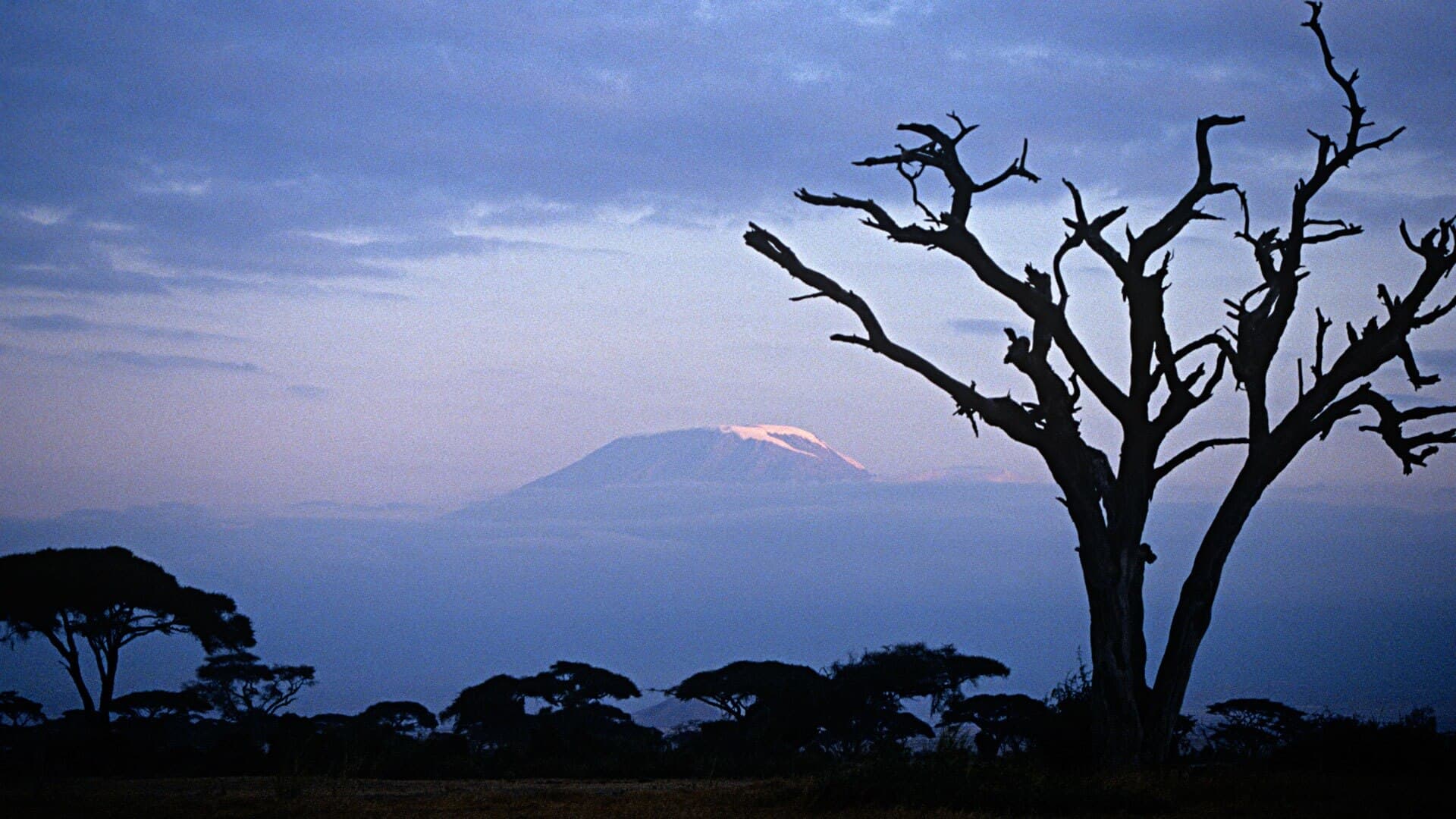
Mount Kilimanjaro National Park
Home to Africa's highest peak at 5,895m, Mount Kilimanjaro is the world's tallest freestanding mountain. A UNESCO World Heritage Site offering challenging climbs through five distinct ecological zones, from tropical rainforest to arctic summit.
Tarangire National Park
Tanzania's 6th largest park famous for massive elephant herds of up to 300 members, ancient baobab trees, and a mini-migration of 250,000 animals during dry season. Less crowded alternative to Serengeti with exceptional wildlife density.