Mount Kilimanjaro National Park
Home to Africa's highest peak at 5,895m, Mount Kilimanjaro is the world's tallest freestanding mountain. A UNESCO World Heritage Site offering challenging climbs through five distinct ecological zones, from tropical rainforest to arctic summit.
About Mount Kilimanjaro National Park
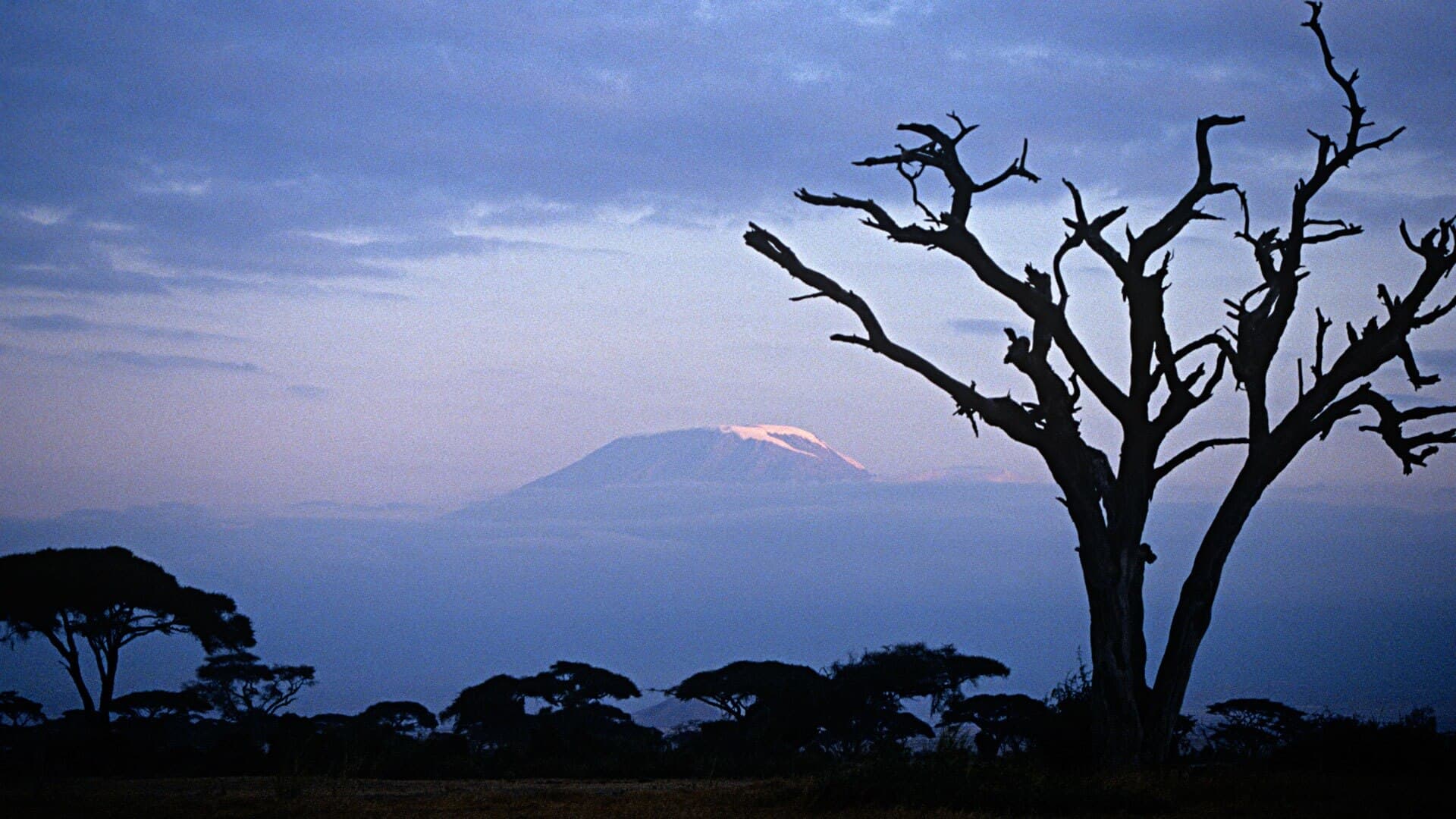
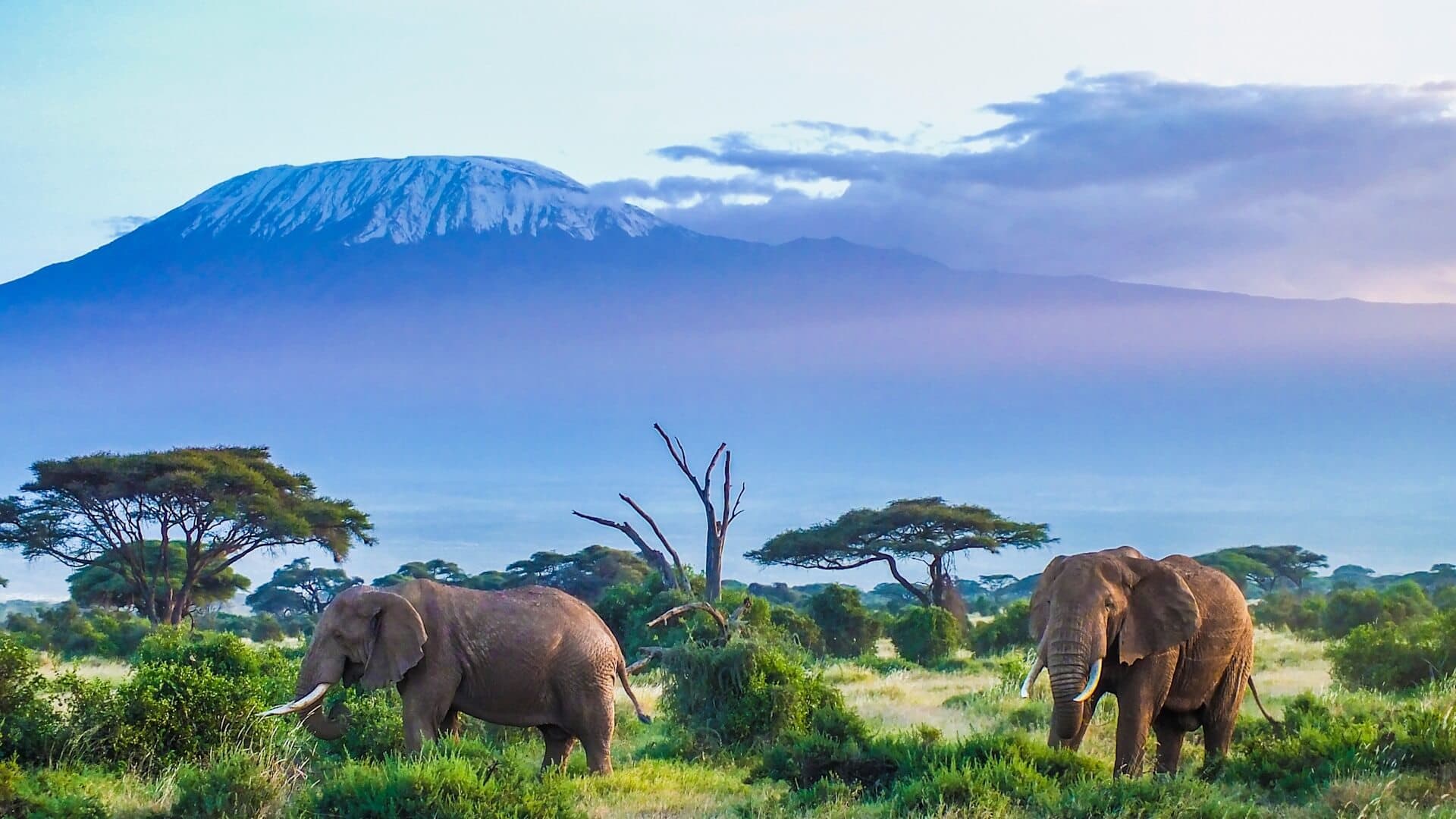
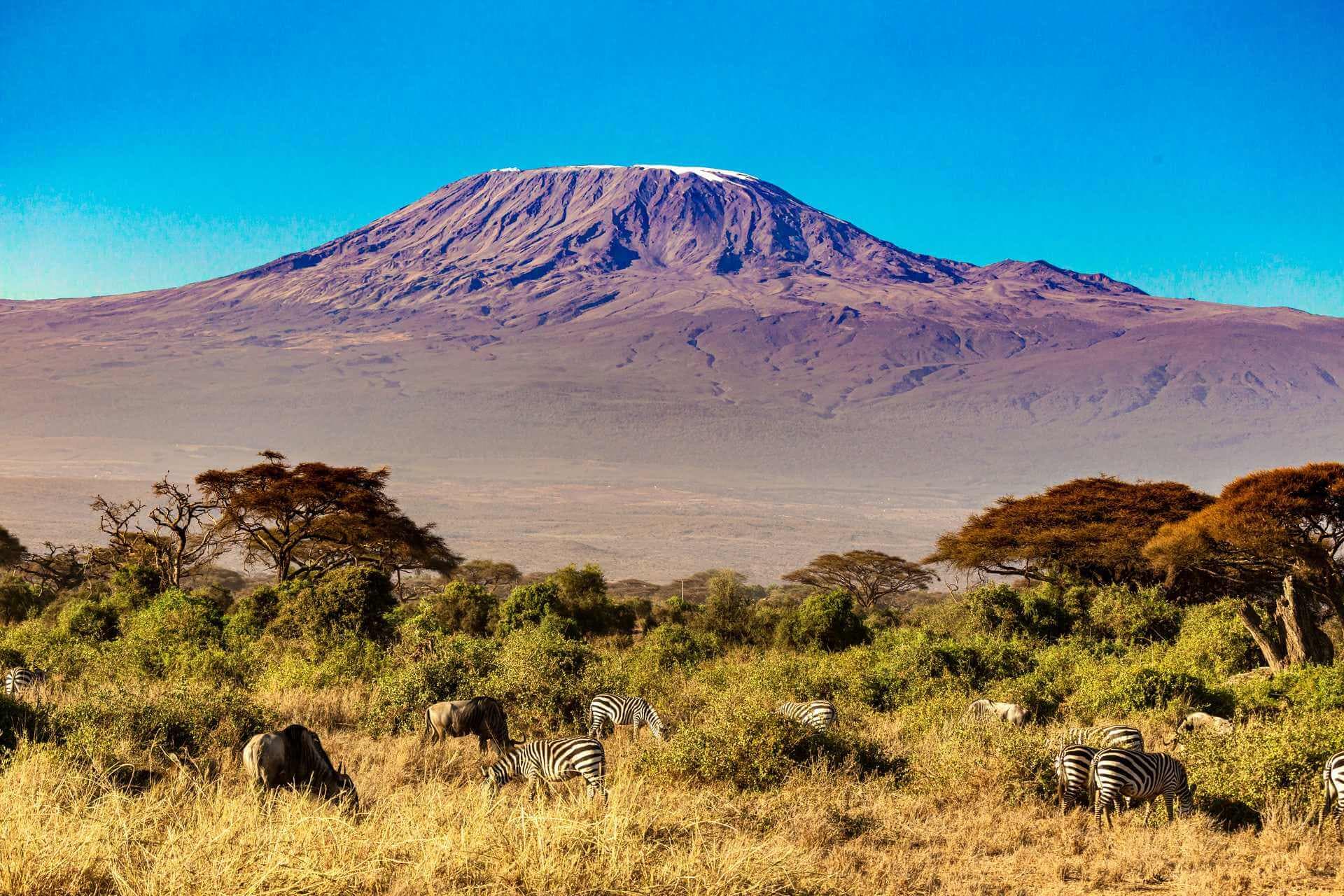
Mount Kilimanjaro National Park is a true definition of East African beauty, sheltering Africa's highest point at 5,895 meters above sea level. This dormant volcanic mountain features three volcanic cones - Mawenzi, Kibo, and Shira - with the iconic Uhuru Peak crowning Kibo as the ultimate summit.
The mountain rises approximately 4,900 meters from its base and is one of the Seven Summits, making it a bucket-list destination for adventurous travelers worldwide. The climbing experience is physical and challenging, but reaching Uhuru Peak is an accomplishment worth every effort.
Covering 1,688 square kilometers in northeastern Tanzania near the Kenya border, the park was established as a forest reserve in 1921 and became a national park in 1973. It was designated a UNESCO World Heritage Site in 1987. The park features five distinct ecological zones - from cultivation zone through montane forest, heather-moorland, alpine desert, to the arctic summit - creating a unique journey from tropical jungle to frigid tundra.
Highlights
Uhuru Peak - Africa's highest point at 5,895m above sea level
Three volcanic cones: Kibo (dormant), Mawenzi, and Shira (extinct)
UNESCO World Heritage Site since 1987
World's tallest freestanding mountain
Five distinct ecological climate zones
Six approved climbing routes with varying difficulty
Shira Plateau - Volcanic caldera over 500,000 years old
Chala Crater Lake - Turquoise lake on Tanzania-Kenya border
Maasai cultural experiences at Olpopongi
Snow-capped peak year-round despite equatorial location
Wildlife
Activities
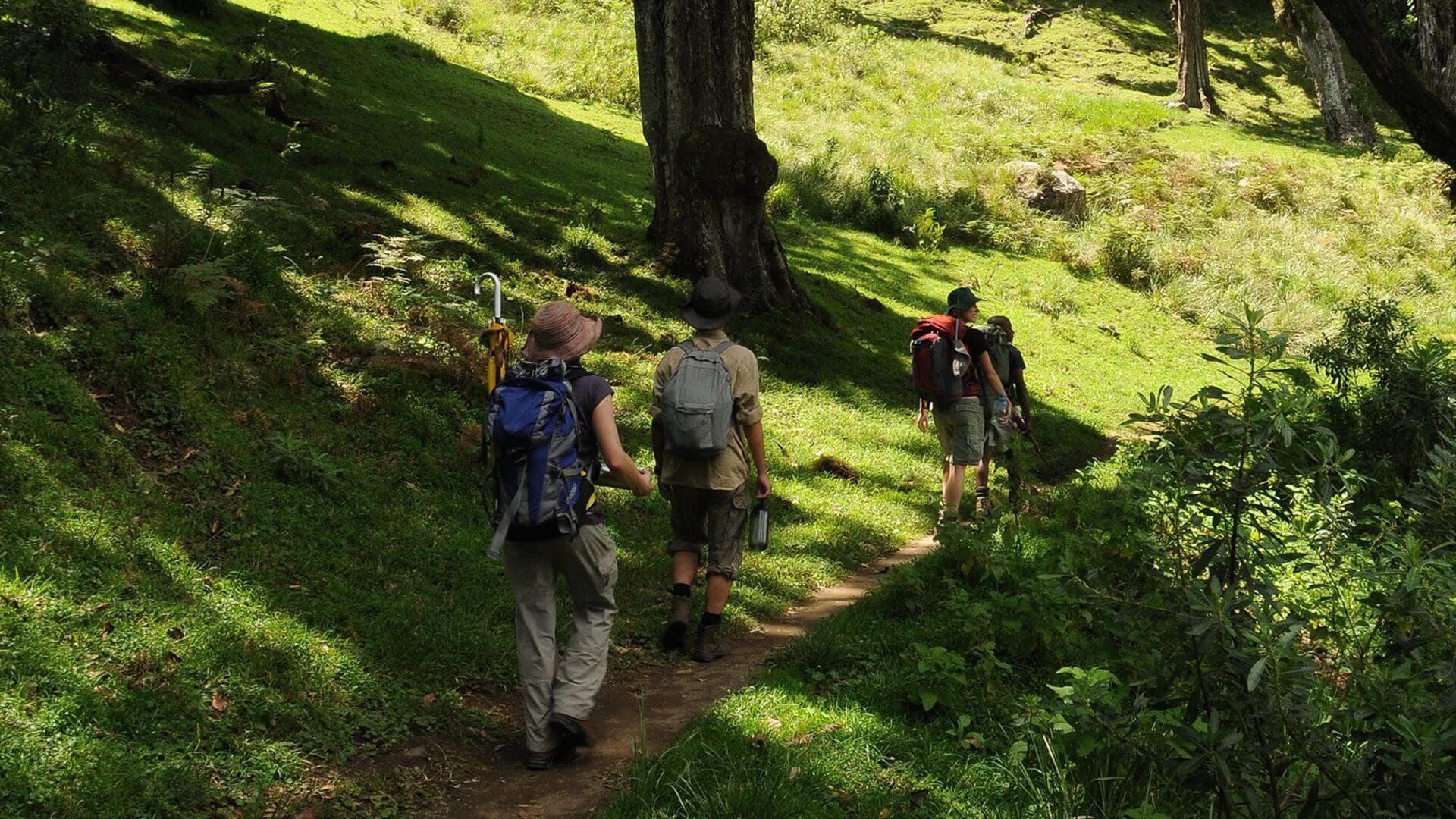
Mountain Climbing - 5-9 day treks via six approved routes (Lemosho, Machame, Marangu, Rongai, Umbwe, Shira)
Hiking - Day hikes on lower slopes and nature trails
Bird Watching - Over 150 forest and montane bird species
Wildlife Viewing - Elephants, buffaloes, and primates in montane forests
Cycling - Mountain biking via Kilema trail
Walking Safaris - Guided nature walks through lower slopes
Shira Plateau Trek - Explore ancient volcanic caldera
Chala Crater Lake Visit - Swimming and hiking at volcanic lake
Cultural Tours - Maasai experiences at Olpopongi village
Camping - Bush camping and picnicking at designated sites
Photography - Stunning landscapes and glaciers
Best Time to Visit
The best time to climb Mount Kilimanjaro is during the dry seasons: December to March and late June through September. These months offer safer climbing conditions with less rain, snow, and mud on the trails. Avoid November and March-April when heavy rains make trails slippery and routes to the peak snow-covered. The dry seasons provide clearer skies for summit views and better trekking conditions.
Tours Visiting Mount Kilimanjaro National Park
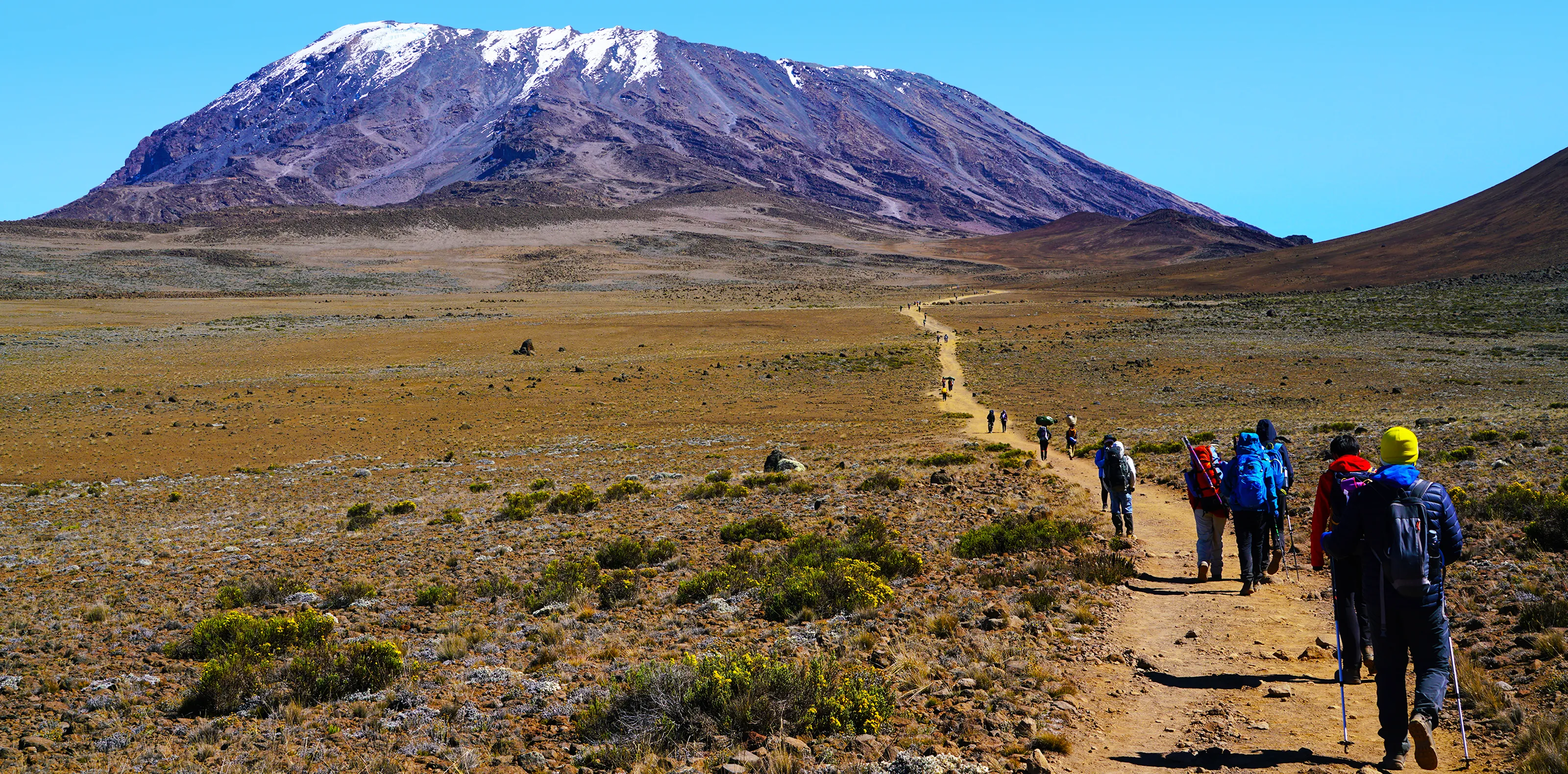
7 Days Machame Route - Mount Kilimanjaro Trekking
The most popular and scenic route to Kilimanjaro's summit. Known as the 'Whiskey Route', offering stunning landscapes and excellent acclimatization.
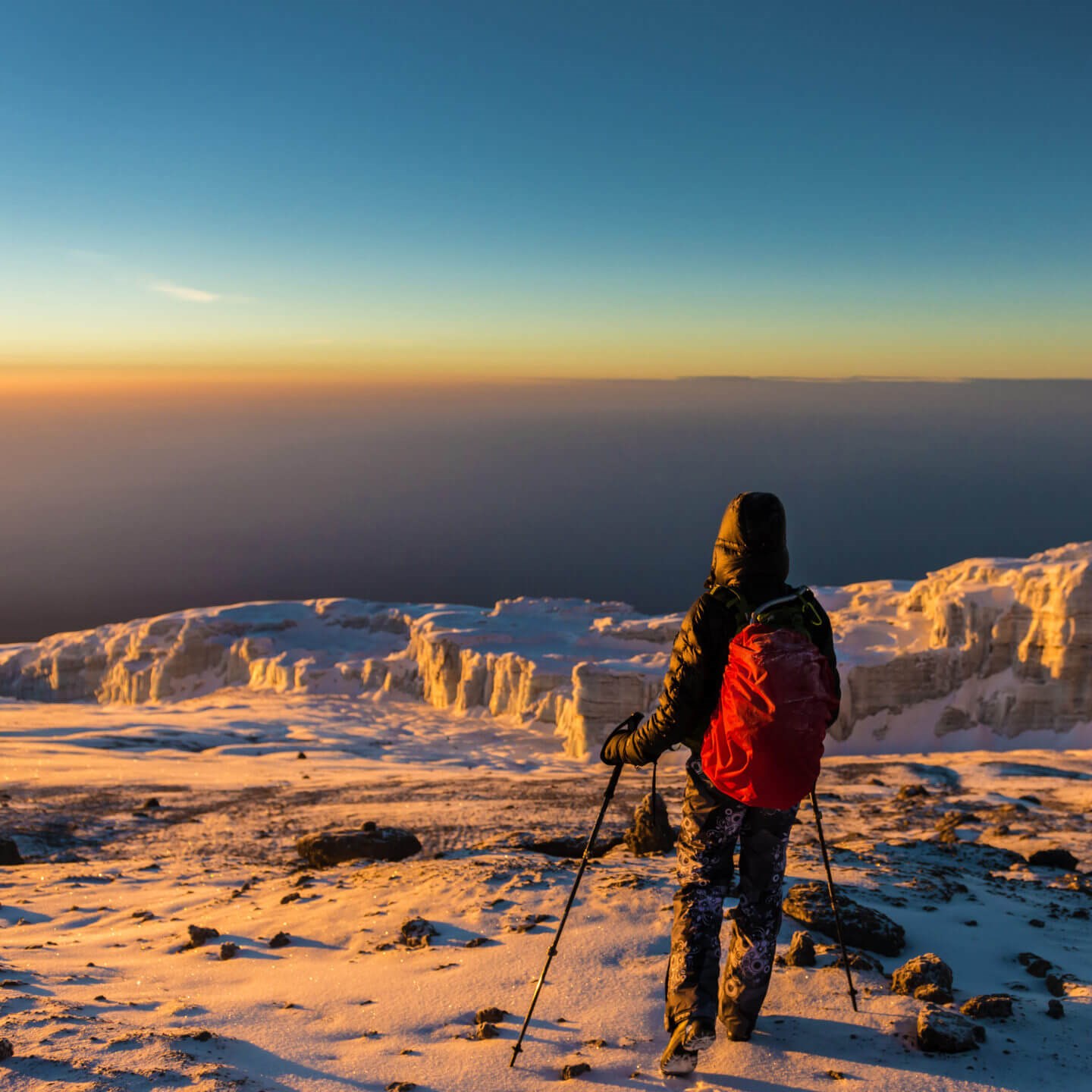
6 Days Marangu Route - Mount Kilimanjaro Trekking
The classic 'Coca Cola Route' with comfortable hut accommodations. A more gradual ascent perfect for those seeking comfort on Kilimanjaro.
More Destinations in Northern Circuit
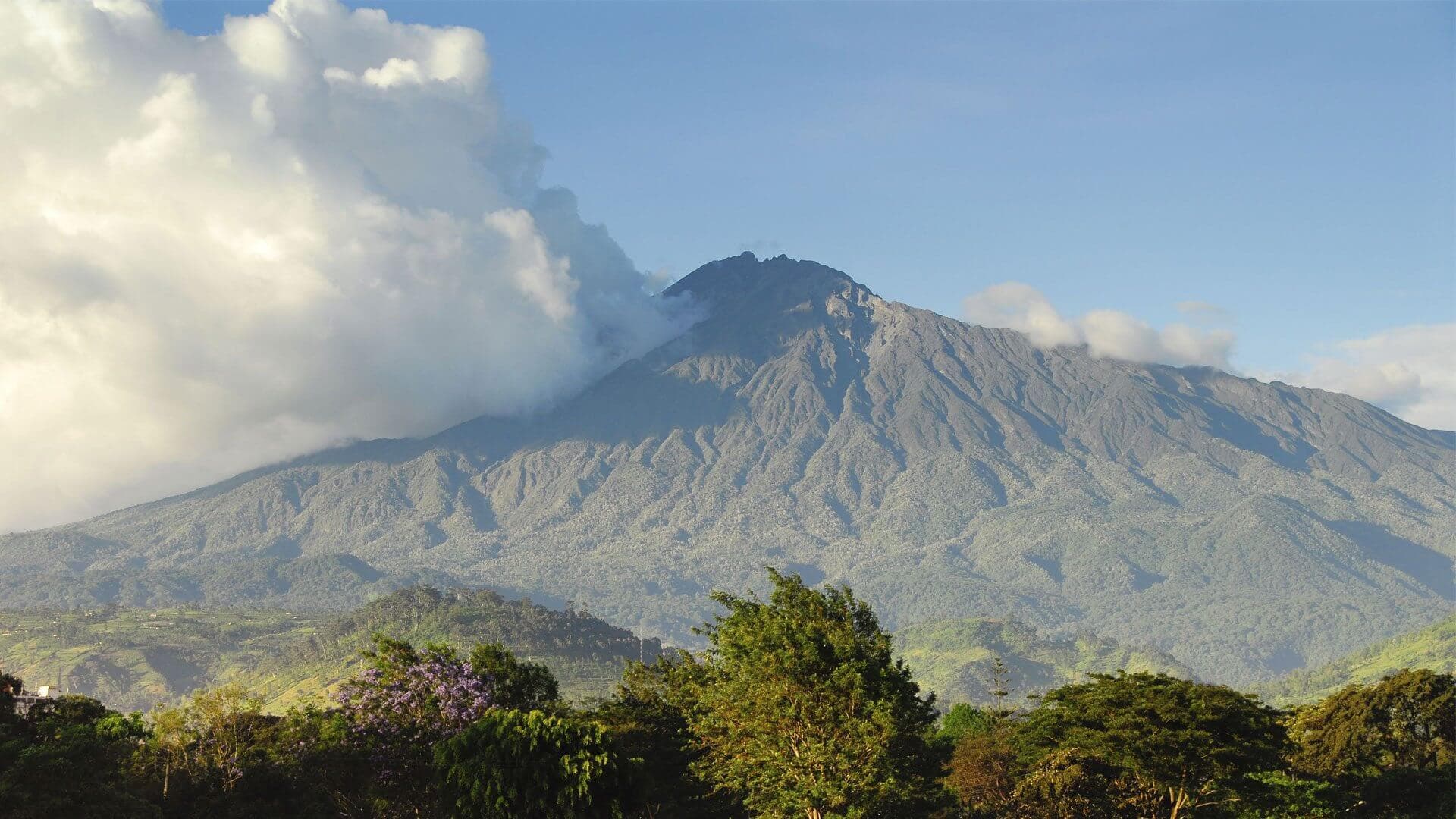
Arusha National Park
One of Tanzania's most accessible parks, home to Mount Meru, diverse wildlife including Africa's largest giraffe population, and the stunning Momella Lakes. Just 40 minutes from Kilimanjaro International Airport.
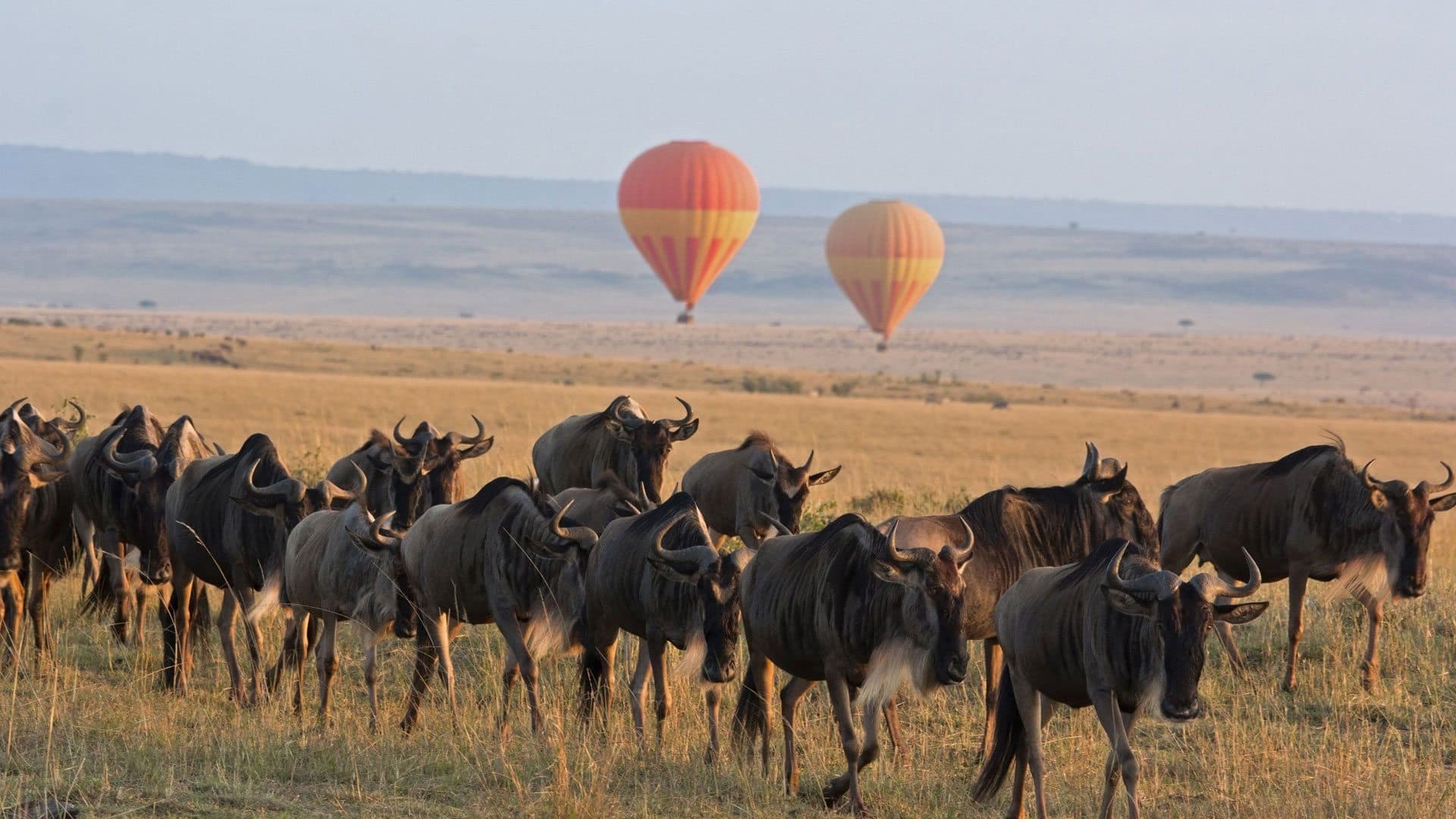
Serengeti National Park
The greatest wildlife destination on earth, famous for the Great Migration of millions of wildebeest. A UNESCO World Heritage Site offering untouched African wilderness, massive predator populations, and the cradle of human life.
Tarangire National Park
Tanzania's 6th largest park famous for massive elephant herds of up to 300 members, ancient baobab trees, and a mini-migration of 250,000 animals during dry season. Less crowded alternative to Serengeti with exceptional wildlife density.