Lake Manyara National Park
Compact gem of the Northern Circuit, famous for tree-climbing lions, massive elephant herds, and 350+ bird species. Features stunning Great Rift Valley escarpment backdrop and a spectacular 360-meter tree-top canopy walkway.
About Lake Manyara National Park
Located in northern Tanzania, Lake Manyara National Park is 126 kilometers west of Arusha Town, covering an area of 330 square kilometers including a lake surface of 230 square kilometers. Despite its compact size, the park packs incredible diversity into its boundaries.
Established as a game reserve in 1957 and granted National Park status in 1960, Lake Manyara became part of the UNESCO Lake Manyara Biosphere Reserve in 1981. The park's name comes from the Maasai word 'emanyara,' referring to the Euphorbia plant used to create protective livestock enclosures.
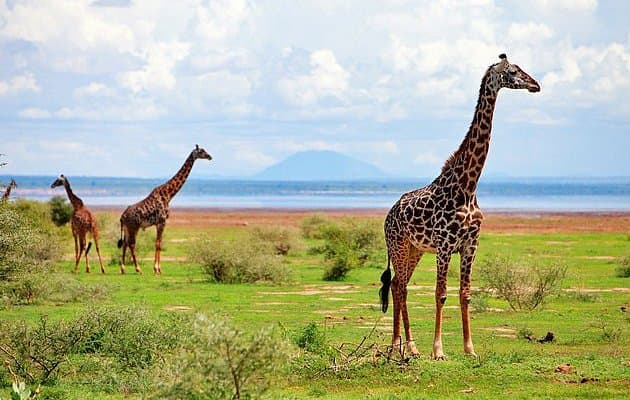
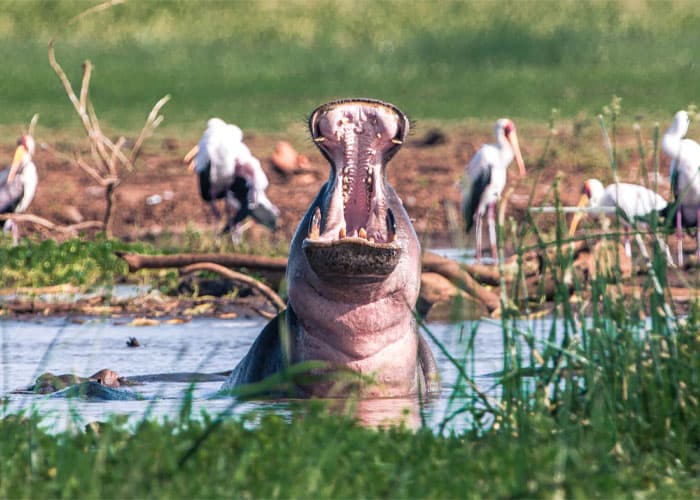
The park is characterized by dramatic scenery - behind the spectacular Great Rift Valley's steep western escarpment lies the narrow protected area between the escarpment and the alkaline lake. The landscape includes grassy floodplains, bands of mixed acacia woodlands, and patches of evergreen forest fed by perennial underground springs from the escarpment base. This diverse ecosystem supports one of Africa's most unique lion populations and serves as a vital habitat for large elephant herds and over 350 bird species.
Highlights
Tree-climbing lions - One of only two populations in Africa
360-meter tree-top canopy walkway through forest
UNESCO Biosphere Reserve since 1981
Great Rift Valley escarpment dramatic backdrop
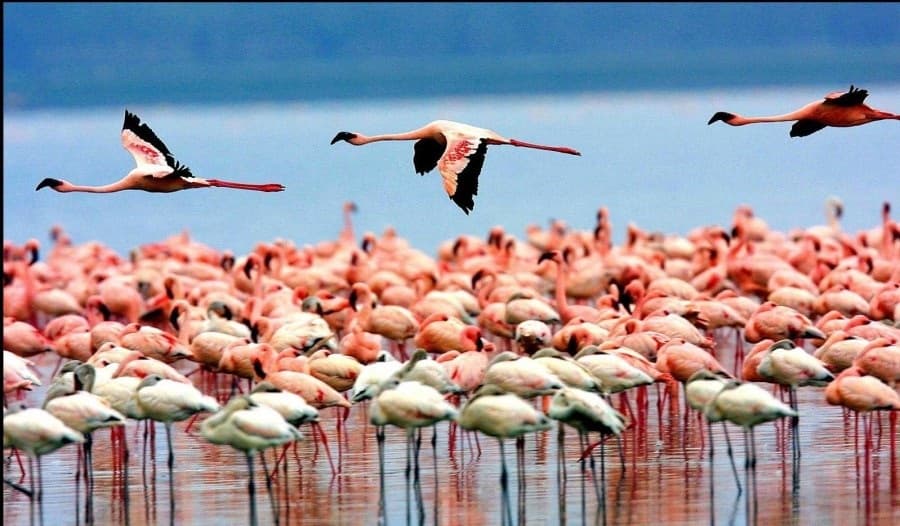
350+ bird species including flamingos and pelicans
Large elephant herds similar to Tarangire
Alkaline lake attracting thousands of pink flamingos
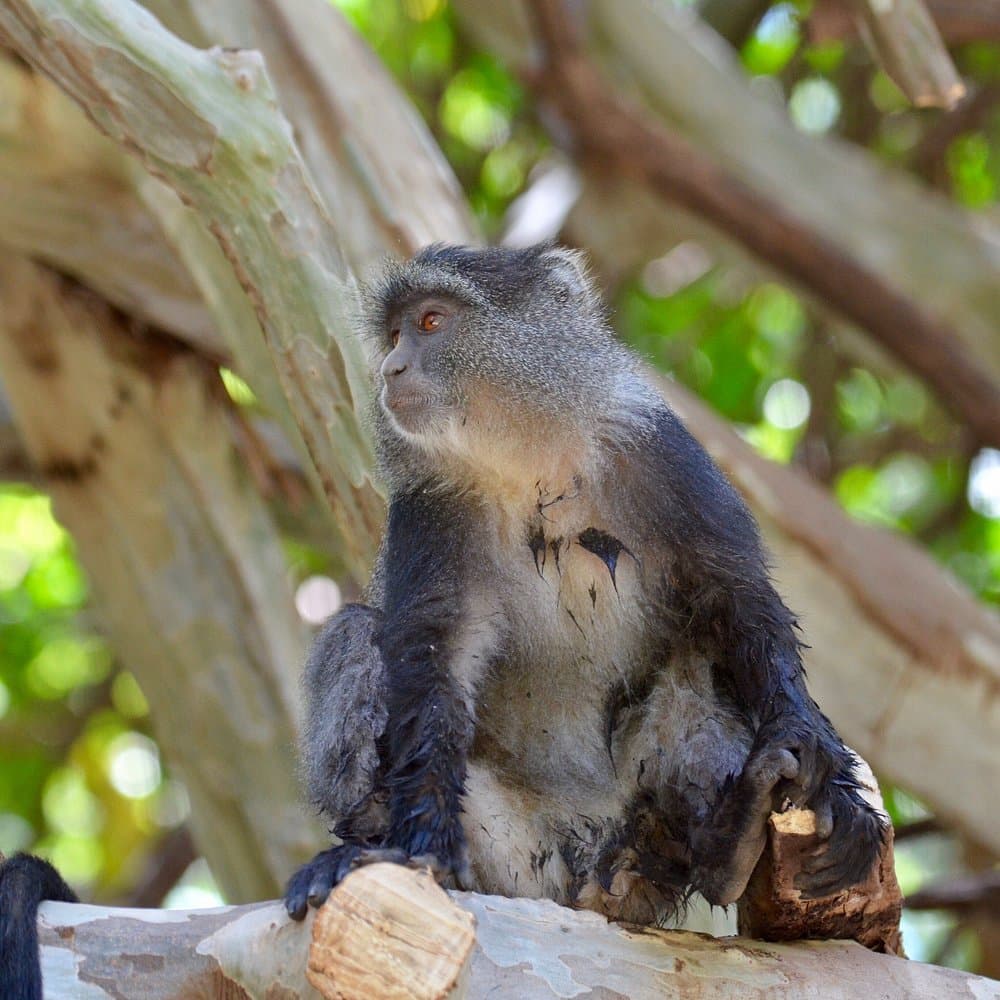
Baboon troops up to 200 members
Compact park perfect for day trips (1.5 hours from Arusha)
Diverse ecosystems from groundwater forest to acacia woodland
Wildlife
Activities
Game Drives - Morning and afternoon wildlife viewing
Tree-climbing Lion Tracking - Spotting lions resting in fig trees
Tree-top Canopy Walk - 360-meter elevated walkway through forest
Flamingo Viewing - Thousands of pink flamingos on alkaline lake
Bird Watching - Over 350 species in diverse habitats
Elephant Observation - Large herds foraging in woodlands
Baboon Watching - Social troops feeding and caring for young
Photography - Great Rift Valley escarpment and wildlife
Picnicking - Designated scenic spots with lake views
Cultural Tours - Nearby Maasai village visits
Best Time to Visit
The best time to visit Lake Manyara National Park is during the dry season from June to October, when animals congregate at limited water sources making wildlife viewing easier. July to October offers the driest conditions with passable roads and thin vegetation for optimal game viewing. The short dry season in January-February also provides excellent conditions. During the wet season (November-May), the park becomes lush and green with fewer crowds and lower accommodation rates, though some roads may be challenging.
Tours Visiting Lake Manyara National Park
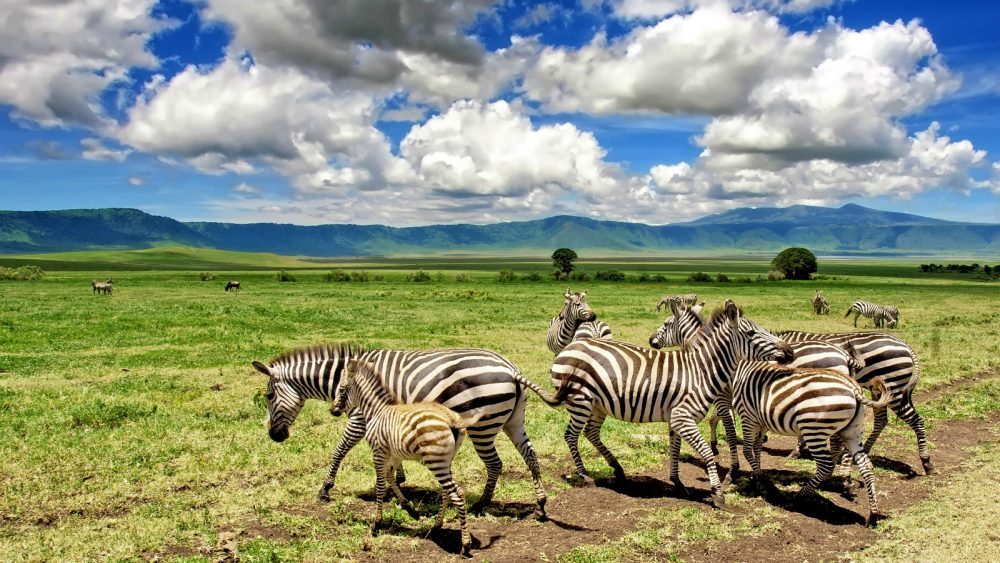
Tanzania's Exquisite 7-Day Safari
Experience Tanzania's most iconic parks including Serengeti, Ngorongoro Crater, Lake Manyara, and Tarangire on this meticulously crafted safari adventure.
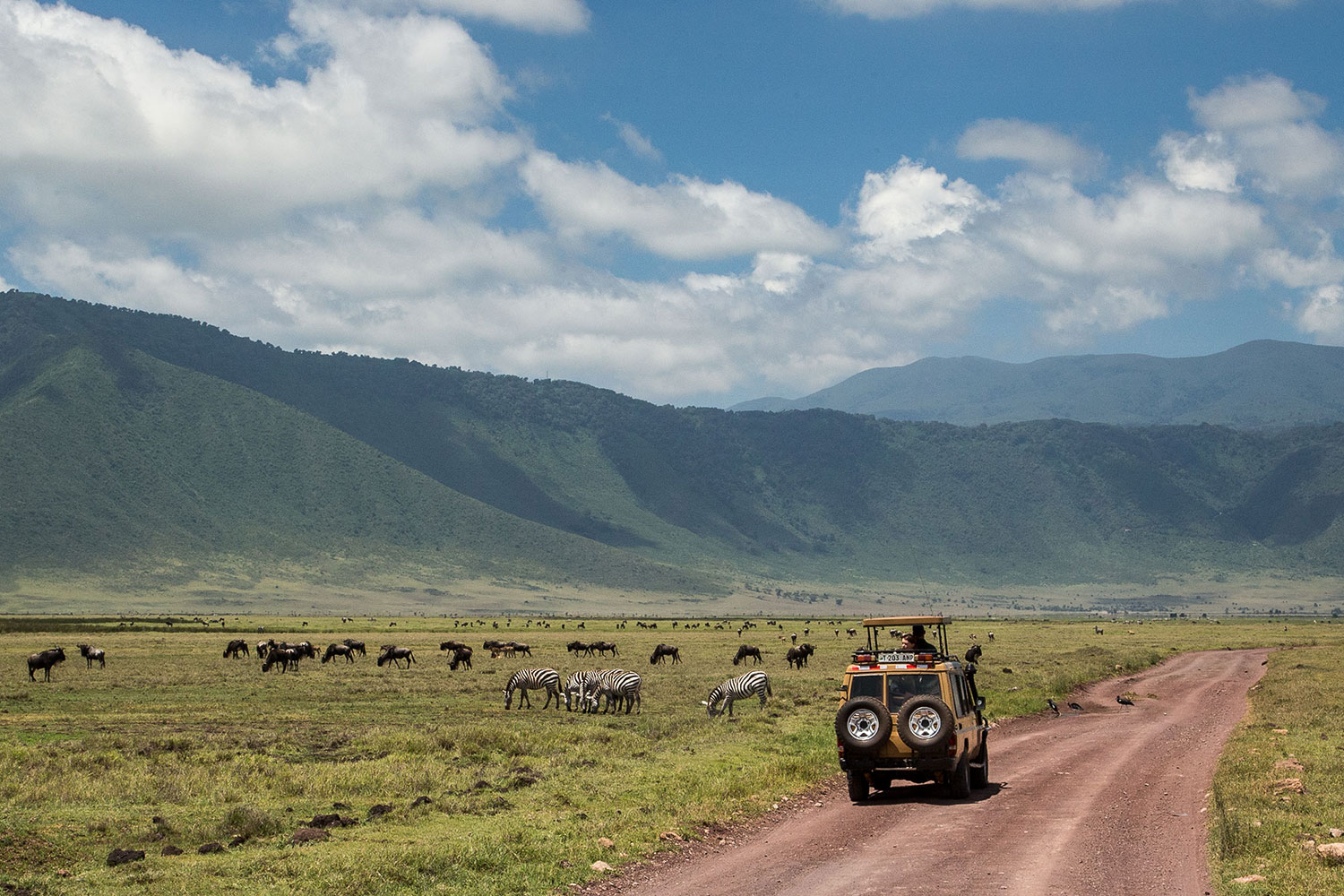
6-Day Midrange Tanzania Safari
An affordable yet immersive adventure through Tanzania's stunning national parks and wildlife reserves. Perfect for travelers seeking a balance between cost and comfort.
More Destinations in Northern Circuit
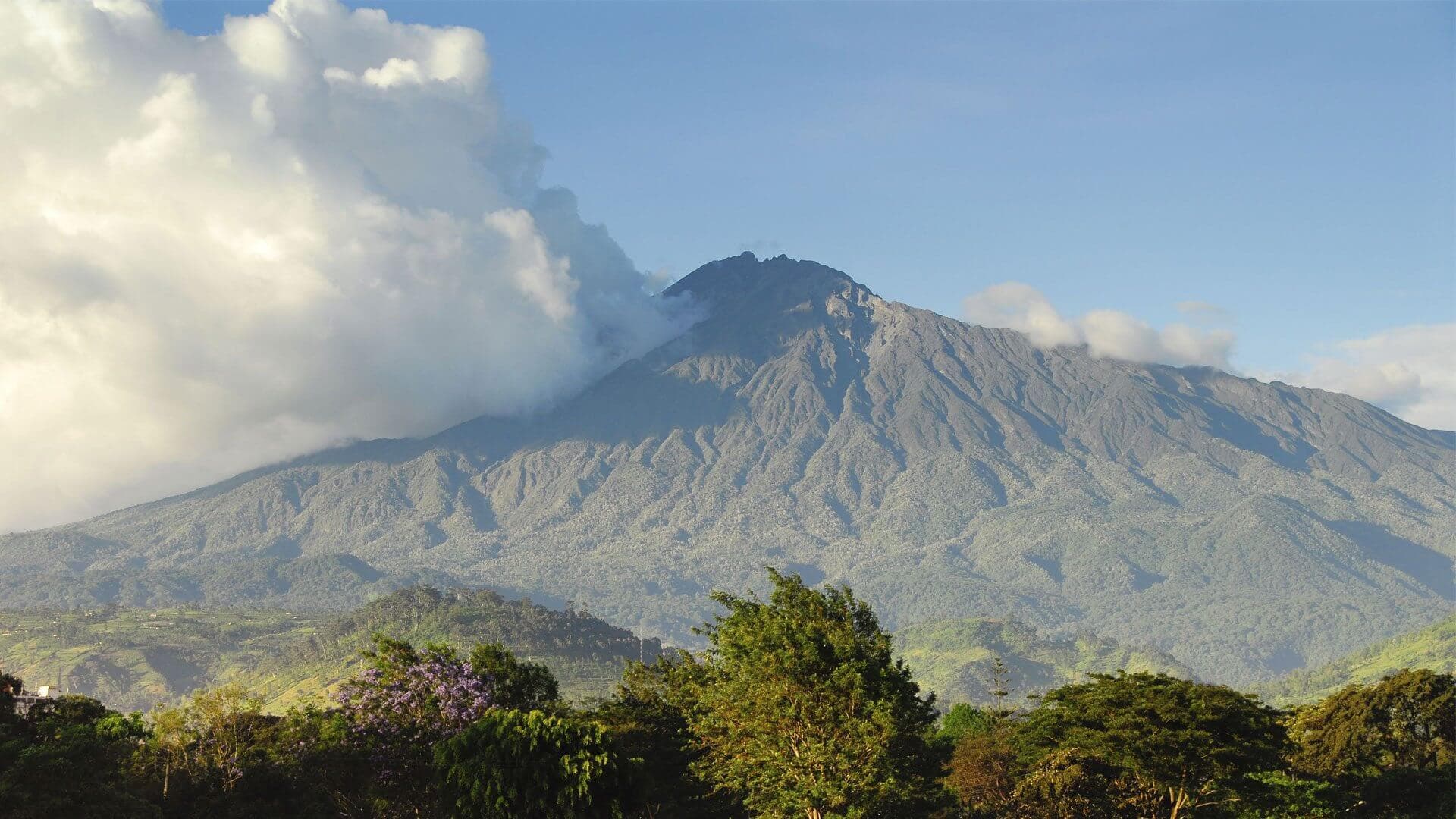
Arusha National Park
One of Tanzania's most accessible parks, home to Mount Meru, diverse wildlife including Africa's largest giraffe population, and the stunning Momella Lakes. Just 40 minutes from Kilimanjaro International Airport.
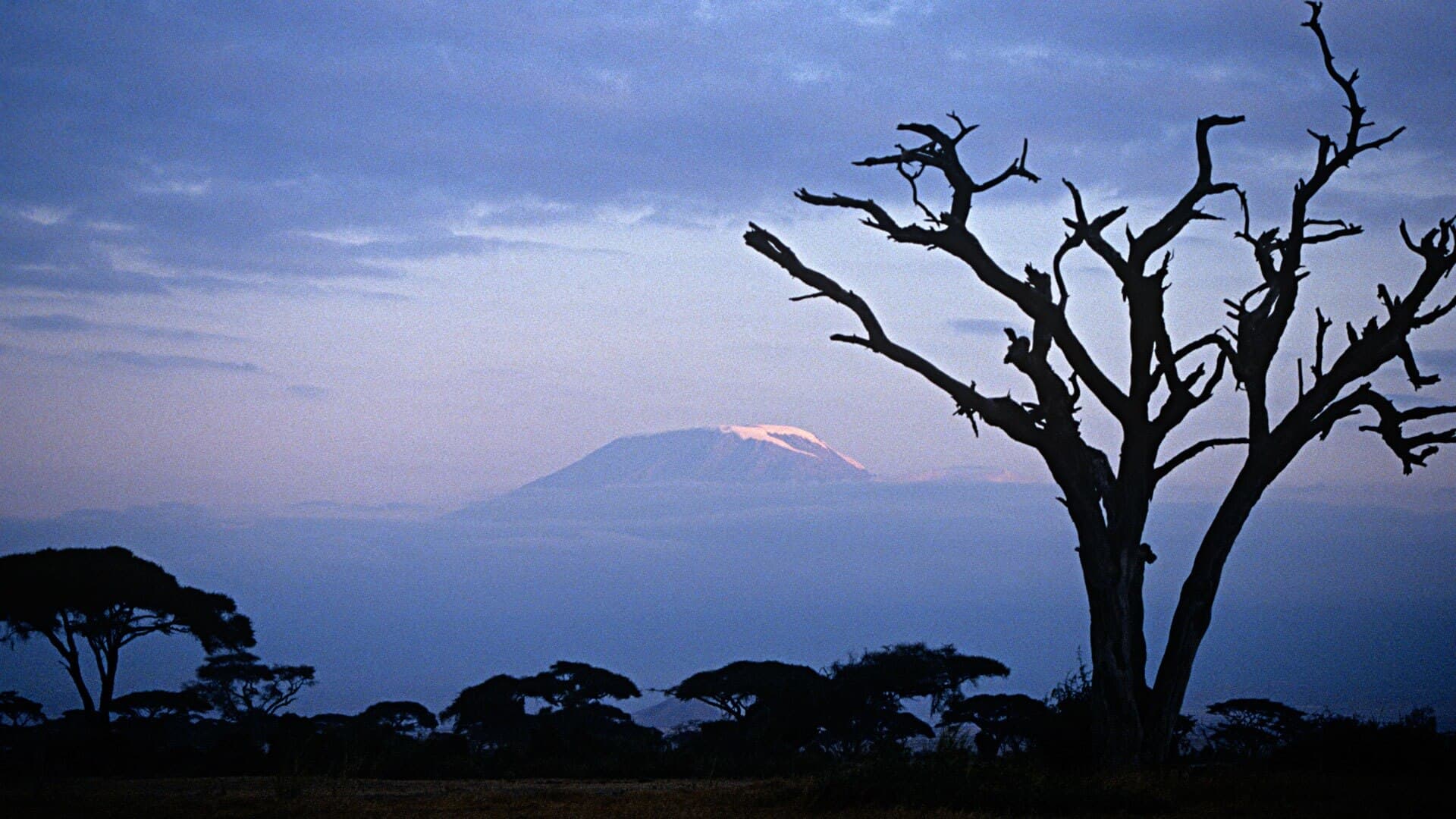
Mount Kilimanjaro National Park
Home to Africa's highest peak at 5,895m, Mount Kilimanjaro is the world's tallest freestanding mountain. A UNESCO World Heritage Site offering challenging climbs through five distinct ecological zones, from tropical rainforest to arctic summit.
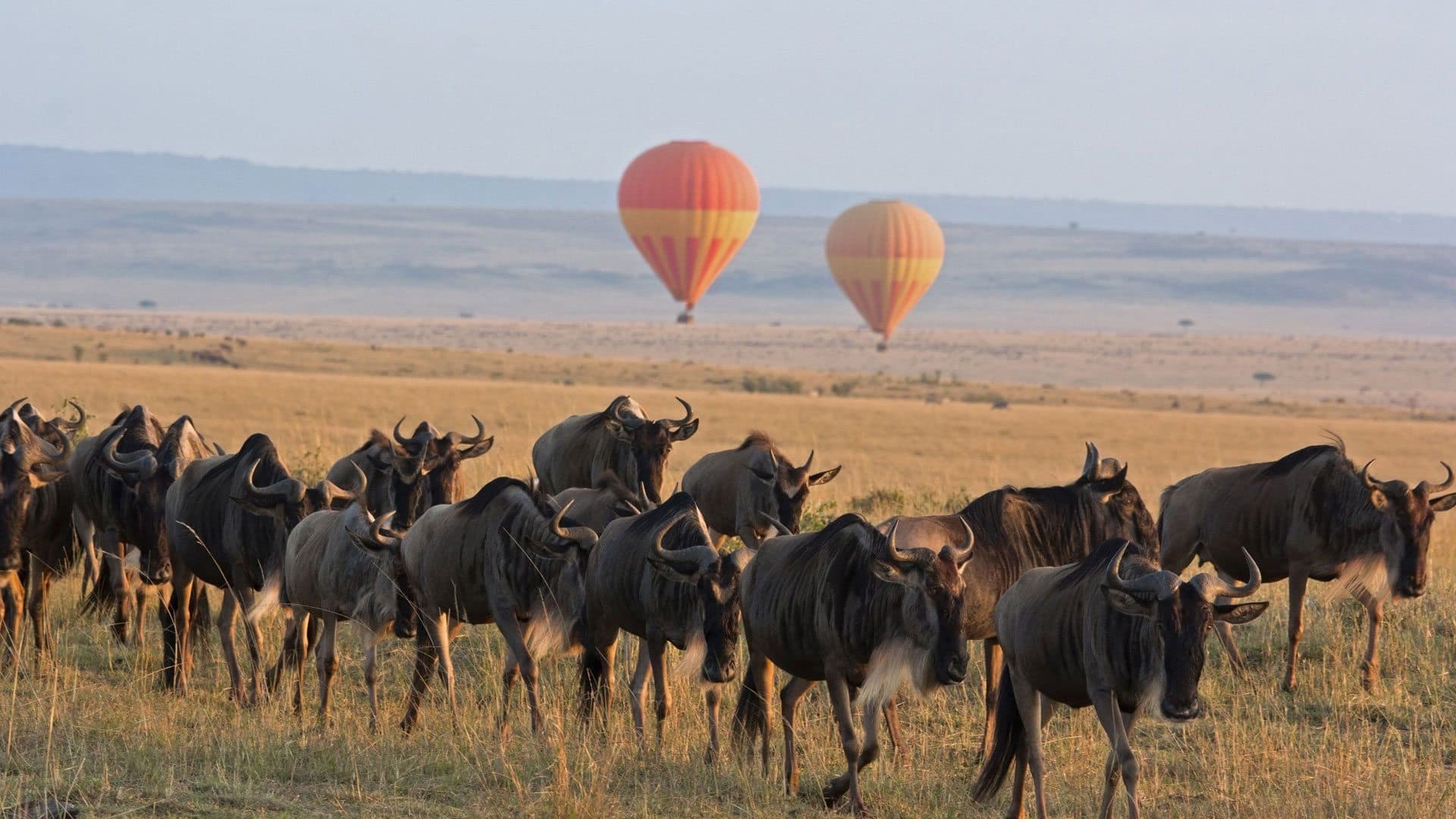
Serengeti National Park
The greatest wildlife destination on earth, famous for the Great Migration of millions of wildebeest. A UNESCO World Heritage Site offering untouched African wilderness, massive predator populations, and the cradle of human life.